
Blog
2026 Top Medical Alert Systems for Global Buyers
The 2026 Medical Alert market matters because ageing populations are reshaping household safety worldwide. The World Health Organization projects that one in six people globally will be aged 60 or older by 2030. By 2050, that population may reach 2.1 billion. These figures make emergency communication more than a convenience. It becomes part of practical home-care planning.
Real homes are messier than brochures. A pendant may sit on a kitchen counter, lose battery power, or fail behind thick walls. Fall detection can also miss slow collapses or trigger alerts during exercise. Buyers should examine cellular coverage, waterproof ratings, language support, response-centre staffing, caregiver notifications, cancellation terms, and international compatibility. The CDC reports that falls remain a leading source of injury among older adults in the United States, although risks and healthcare systems differ across countries. Local testing still matters.
Joseph Coughlin, director of the MIT AgeLab, has said, “The future of aging is not about adding years to life, but adding life to years.” His observation supports a human-centred approach. A Medical Alert device should preserve independence without creating false confidence. This guide compares leading systems for global buyers, using manufacturer specifications, independent industry research, user experience evidence, and practical reliability checks. No ranking is perfect. Prices change, networks evolve, and personal needs are never identical. The strongest choice is usually the system that works quietly, responds clearly, and fits an older adult’s daily routine.
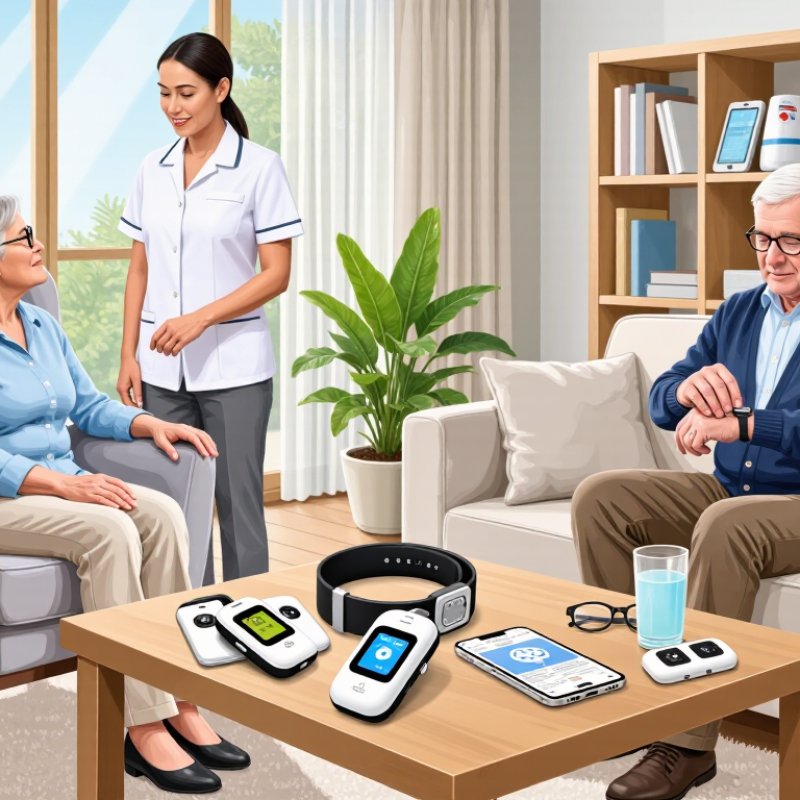
Medical Alert Systems: Definition, Purpose, and Core Technologies
Medical alert systems are wearable or home-based tools that connect a user with trained assistance during an emergency. Their purpose is simple: shorten the time between danger and human support. The CDC reports that more than one in four adults aged 65 and older falls each year in the United States. For global buyers, this risk makes reliable communication important, especially for people living alone. The World Health Organization also projects that one in six people worldwide will be aged 60 or older by 2030.
Core technologies usually include a help button, two-way voice communication, cellular connectivity, GPS, and optional fall detection. A pendant may work indoors through a base unit, while a mobile device can transmit location information outdoors. Some systems use automatic algorithms to identify sudden movement changes. No sensor is perfect. A slow slide may go unnoticed, while a dropped device may trigger an unnecessary alert. This weakness deserves honest attention.
Tips: Check network coverage at home and during travel. Confirm battery life, charging time, language support, and emergency response procedures. Ask whether location sharing requires a smartphone. Review privacy controls before activating cloud-based services. The U.S. National Institute on Aging recommends discussing fall risks with healthcare professionals, not relying on technology alone. Hands-on testing is valuable. A device that feels confusing may be ignored when seconds matter.
Key Features to Compare in 2026 Medical Alert Devices
Global buyers should compare medical alert devices by real-world reliability, not advertised button counts. The United Nations World Social Report 2023 states that people aged 65 and older may reach 16% of the global population by 2050. This trend increases demand for practical, cross-border safety tools.
Check emergency response coverage first. Does the device connect through cellular networks, Wi-Fi, or both? Ask whether service works inside bathrooms, gardens, and buildings with thick walls. The CDC reports that older adults account for over three million emergency department visits from falls annually in the United States.
Automatic fall detection can help, but it may miss slow collapses or trigger during hard impacts. It should support, not replace, a wearable help button.
Battery life also deserves close inspection. A device that needs frequent charging may fail during travel or overnight use. Look for clear low-battery alerts, two-way voice communication, location sharing, and water resistance. The World Health Organization’s Global Report on Ageing and Health emphasizes person-centred care, so controls should remain simple for users with reduced vision or memory.
Test the device in realistic conditions. Walk behind a closed door. Speak from a noisy kitchen. Check response times. Some published performance claims seem impressive, yet independent comparisons remain limited. That gap matters. Buyers should request recent test methods, data-handling details, subscription terms, and multilingual support before purchasing. Reliability is never just a specification.
Best System Types for Different Users and Living Situations
2026 Top Medical Alert Systems for Global Buyers
The right system depends on the user’s routine, mobility, and living environment. For an older adult living alone, a wearable pendant with two-way voice support offers quick access after a fall. A wrist device may suit users who dislike necklaces or spend time in the bathroom, where falls often happen. WHO reports that falls cause about 684,000 deaths worldwide each year, with adults over 60 facing the greatest fatal risk. That makes water resistance, clear audio, and comfortable daily wear practical priorities.
For active users, a mobile GPS system can support outdoor trips, travel, or gardening beyond home Wi-Fi. It should include cellular coverage in the countries where it will be used. Home-based users may prefer a base unit with room-to-room communication and backup power. Families supporting someone with memory loss might consider automatic fall detection, but it is not perfect. A device can miss a slow collapse or trigger a false alert. WHO expects the global population aged 60 and above to reach 2.1 billion by 2050, increasing demand for adaptable support.
Tips: Check response-language availability, roaming limits, battery duration, cancellation terms, and emergency procedures. Test the alert from the bedroom, bathroom, and garden. Recheck settings after moving home. Small details matter. Some buyers may overvalue advanced features and undercheck signal reliability. That mistake deserves more attention.
Global Buying Factors: Coverage, Pricing, Support, and Regulations
For global buyers, coverage is more than a colored map. A medical alert system may rely on cellular networks, Wi-Fi, GPS, or a home base station. Check coverage in the exact country, region, and building type where it will be used. Ask whether the signal works indoors, in elevators, and near international borders. Some devices lose location accuracy around tall buildings. That detail matters. Confirm battery duration, charging time, and performance during travel. Travelers should test the alert button before leaving the hotel.
Pricing requires careful comparison. Separate equipment costs from activation fees, monthly monitoring, roaming charges, taxes, and cancellation penalties. A low entry price may hide expensive replacement batteries or required accessories. Request a complete written price in the buyer’s currency. Also check whether emergency calls, fall detection, and location sharing cost extra. Currency changes can affect long-term budgets. The cheapest option is not always practical.
Support should provide live assistance around the clock, with clear language options and trained operators. Ask how quickly operators contact local emergency services, family members, or both. Regulations also vary by destination. Providers should explain data storage, consent, call recording, and cross-border transfers. European users may need GDPR-compliant handling, while other regions apply different privacy rules. Confirm local approval requirements for radio equipment and telecommunications services. No buying guide is flawless; personal testing may reveal delays that product pages overlook.
2026 Top Medical Alert Systems for Global Buyers - Global Buying Factors: Coverage, Pricing, Support, and Regulations
| System category | Best-fit buyer | Typical coverage | Indicative pricing in 2026 | Emergency connection | Support considerations | Key regulatory and buying checks |
|---|---|---|---|---|---|---|
| Home cellular response system | Older adults who mainly remain at home and do not have a reliable landline. | Usually the home and nearby outdoor areas, subject to local mobile-network signal. | Equipment: approximately US$0–250; service: US$20–55 per month. | Two-way voice connection to a 24/7 response center; some systems can call a nominated contact or local emergency service. | Confirm response-center language, average answering process, battery backup, and mobile-network compatibility. | Check whether the device is approved for the destination radio network and whether emergency calling supports the local emergency number. |
| Landline-based home system | Households with a stable compatible telephone connection and predictable indoor use. | Generally limited to the home; pendant range often covers a typical house and garden but varies by building materials. | Equipment: approximately US$50–200; service: US$15–40 per month. | Base unit uses the fixed telephone connection and normally includes a hands-free speaker. | Verify compatibility with digital voice, fiber, internet-based phone services, and power-outage backup. | Traditional telephone networks are being retired in some markets; confirm continued service support before purchase. |
| Mobile GPS medical alert device | Active users, people who travel locally, and individuals at risk of becoming lost or needing help outdoors. | Outdoor coverage depends on cellular availability; GPS accuracy is affected by buildings, weather, and satellite visibility. | Equipment: approximately US$75–350; service: US$25–70 per month. | Voice, GPS location sharing, and optional geofencing through a response center or designated contacts. | Check charging frequency, roaming rules, location-update intervals, water resistance, and international SIM restrictions. | Confirm radio certification, privacy notices, location-data processing, and whether cross-border use is contractually permitted. |
| Fall-detection pendant or smartwatch | Users with elevated fall risk who may be unable to press a help button after an incident. | Coverage depends on the connected base unit, cellular device, or paired phone. | Additional feature: approximately US$5–15 per month; some systems charge a one-time device fee. | Automatic fall detection may initiate a voice call, but the user may still need to confirm the situation. | Ask about false alarms, detection limitations, battery life, sensor placement, and whether professional monitoring is included. | Fall detection is not guaranteed to detect every fall and should not be treated as a substitute for medical assessment or supervision. |
| Family-contact alert device | Buyers who prefer alerts to relatives, caregivers, or neighbors rather than a professional monitoring center. | Home or mobile coverage depends on Wi-Fi, cellular service, Bluetooth, or the paired smartphone. | Equipment: approximately US$20–250; app or connectivity fees: US$0–30 per month. | Push notification, text message, automated call, or app-based alert to selected contacts. | Requires dependable caregiver response; verify multilingual app support, notification reliability, and account-management controls. | Review consent, data-sharing, cloud-storage, and privacy requirements, especially when health or location information is collected. |
| Satellite emergency communicator | Remote-area users who travel beyond dependable cellular coverage. | Potentially broad outdoor coverage where the satellite network is available and the device has a clear view of the sky. | Equipment: approximately US$150–600; service: US$15–80 per month, depending on message and tracking limits. | Two-way text, location sharing, and emergency coordination; voice calling is not universally available. | Check activation requirements, message delivery time, battery performance in cold conditions, and regional service limits. | Confirm import rules, satellite-service authorization, emergency coordination procedures, and limitations in restricted territories. |
| Integrated home safety system | People who need medical alerting alongside smoke, carbon-monoxide, medication, or activity monitoring. | Usually limited to the connected home, with optional mobile monitoring through a hub or app. | Equipment: approximately US$100–500; service: US$30–100 per month. | Professional response center, caregiver notifications, or both, depending on the service plan. | Confirm installation support, sensor maintenance, internet dependency, and whether alerts are medically monitored or merely automated. | Some components may fall under separate electrical, radio, cybersecurity, or medical-device requirements; verify local compliance markings. |
How to Select, Set Up, Test, and Maintain a Medical Alert System
Choosing a medical alert system begins with the user, not the device. Consider mobility, hearing, vision, memory, and daily routines. A wearable pendant may suit someone who walks often, while a bedside unit may fit a person with limited movement. Check cellular coverage, language support, charging requirements, and local emergency response options before purchasing internationally. Confirm whether the service works in the user’s country.
Set up the system near the user’s usual living areas. Program trusted contacts with permission, and place the base unit where its speaker remains clear. Explain how to press the help button, cancel an accidental alert, and speak with an operator. Keep instructions beside the charger. Simple steps matter.
Test it carefully.
Run a scheduled test during daytime. Ask whether the signal reaches the response center, whether the operator confirms the user’s identity, and whether contact information is accurate. Do not assume a successful light signal means complete protection. Walk through the garden, bathroom, and bedroom if coverage allows. Some walls, elevators, and weak networks can reduce reliability. I have seen families test only beside the base unit, then discover gaps later.
Inspect the battery every week and clean the device with approved materials. Recharge it before low-power warnings appear. Review contacts, medication notes, and address details after every move or major health change. Keep a written test log. It may feel excessive, but forgotten updates create avoidable delays. Recheck the system after power cuts, software changes, or long periods without use.
2026 Top Medical Alert Systems for Global Buyers
Global demand for medical alert solutions is closely connected to the rapid growth of the older population. The chart shows United Nations estimates and projections for people aged 65 and over worldwide.
When selecting a system, compare cellular or landline connectivity, fall detection, two-way voice communication, coverage, language support, battery life, setup requirements, and access to emergency services. After installation, test the call button, speaker, microphone, wearable range, backup power, and emergency contact process regularly. Population figures are based on United Nations estimates and projections for people aged 65 and over, expressed in millions.
Article Source:
Request a Quote
Fill out the form below and one of our specialists will contact you to discuss your questions and needs.