2026 Best Custom Aluminum Tri Fold Blind Rivets Buying Guide
Choosing a blind rivet is a small decision with visible consequences: a loose joint can rattle, while a poorly matched rivet may distort a thin panel. Custom Aluminum Tri-Fold Blind Rivets are designed to spread their legs behind the workpiece, creating a broad bearing area where access from one side is all that is available. That can be useful for joining soft, thin, or uneven materials. Fit still matters.
Industry context helps, but it should not replace product testing. The International Aluminium Institute’s 2023 statistics report approximately 70.6 million tonnes of global primary aluminum production. This figure reflects the scale of aluminum supply, not the quality or performance of any particular rivet. Buyers should assess alloy, body diameter, grip range, head style, mandrel design, and finish against the actual assembly. A rivet that looks right on a specification sheet may still be wrong for a painted panel or a joint exposed to vibration.
This guide explains how to compare custom options, read drawings, and request useful supplier evidence, including dimensional tolerances and sample test results. For critical assemblies, confirm installation conditions with a qualified engineer and test representative materials before ordering production quantities. Check the hole size, too. It is easy to overlook. One practical caution: tri-fold expansion can improve load distribution, but it does not automatically prevent corrosion or guarantee a stronger joint. The right choice depends on the complete material stack, service environment, and installation tool—not the product name alone.
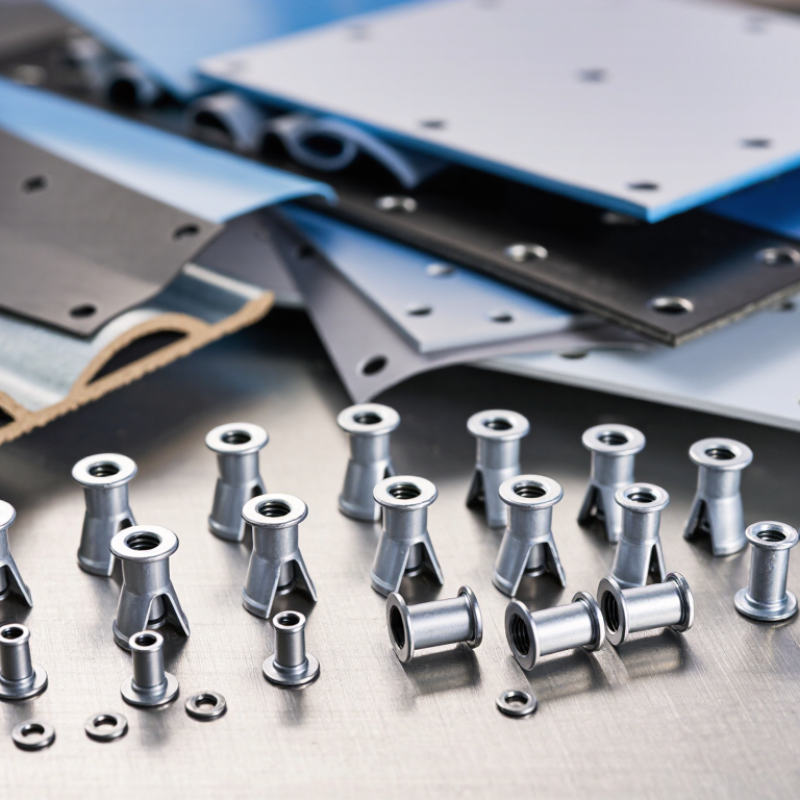
What Are Custom Aluminum Tri-Fold Blind Rivets?
Custom aluminum tri-fold blind rivets are fasteners designed to join materials when only one side of a workpiece is accessible. During installation, the rivet body expands and splits into three broad legs on the hidden side. These legs spread the clamping force over a wider area than a standard blind rivet. That matters. It can help secure softer materials or assemblies where a concentrated load may cause damage.
“Custom” may refer to dimensions, grip range, head style, or material choices. The rivet body can be aluminum, while the mandrel may use a different material, so confirm the full specification rather than relying on the product name. Check the combined thickness of the sheets, hole diameter, and required joint strength. A rivet that grips poorly can loosen; one that is too long may not set cleanly. Fit still needs checking.
Tips: Measure the material stack at several points, especially if panels are uneven. Test a sample in the actual hole and substrate before ordering in quantity. Inspect the three formed legs and the visible head after setting. If the joint carries vibration or repeated loads, request application-specific guidance; a broader footprint alone does not guarantee a durable connection.
How Does the Tri-Fold Mechanism Create a Secure Joint?
2026 Best Custom Aluminum Tri Fold Blind Rivets Buying Guide
How Does the Tri-Fold Mechanism Create a Secure Joint?
A tri-fold blind rivet forms its joint from one accessible side. During installation, a tool pulls the mandrel through the rivet body. The body expands behind the workpieces and splits into three folded legs. These legs spread against the hidden surface, creating a wider bearing area than a simple bulb-shaped expansion. The rivet head presses the visible side, clamping the layers together.
That broad footprint can help reduce pull-through in thin sheet, plastic, or other materials that may crush under a small contact area. You may hear a distinct snap when the mandrel breaks at its designed point. Still, the joint is not magic: a wrong grip range, oversized hole, or weak base material can undermine the hold. Check the material thickness and hole size before installation, and test a sample when the assembly matters.
Tips: Choose a rivet grip range that covers the total stack thickness. Keep the holes aligned, then seat the rivet head flat against the surface. After setting, inspect the hidden side if accessible; the three legs should fold evenly, not hang loose or crush the panel.
How the Tri-Fold Mechanism Creates a Secure Joint
Idealized load sharing across the three legs formed when a tri-fold blind rivet is set.
The rivet body folds outward into three legs behind the workpiece, helping distribute clamping force over a wider area. The 33.3% per leg values are an equal-share model, not measured performance; actual load distribution depends on the rivet, materials, hole size, grip, and installation.
Which Materials, Sizes, and Custom Options Are Available?
Aluminum tri-fold blind rivets usually pair a deformable aluminum body with a separate mandrel. The body opens into three legs behind the panel, spreading pressure across a wider area. This can help when fastening thin, soft, or brittle materials. Mandrels may be steel or stainless steel, depending on strength, corrosion exposure, and assembly needs. Check the material combination carefully; dissimilar metals can behave differently in damp environments.
Sizes are not just overall length. Match the rivet diameter to the prepared hole, then choose a grip range that covers the full stack thickness. For example, a panel and bracket measuring 4.5 millimeters together need a rivet whose rated grip range includes that measurement. Head styles, body colors, coatings, mandrel finishes, and packaging quantities may also be customizable. Some projects need a wider head; others need a specific appearance. Small details matter.
Ask for drawings or samples before placing a large order. I treat catalog dimensions as a starting point, not proof of fit. Test the rivet in the actual materials, especially if the panel is soft or coated. A fit that looks right can still leave loose joints. Verify installation-tool compatibility, too.
How to Match Rivet Specifications to Your Application
Matching a custom aluminum tri-fold blind rivet starts with the joint, not the catalog. Measure the full grip thickness, including coatings, washers, and any soft layers. Choose a grip range that covers this measurement without sitting at its limit. Check the recommended hole diameter, too; a loose hole can leave the joint rattling, while an undersized one may damage the rivet during setting.
Next, consider what the rivet must hold and what the joined materials can tolerate. Tri-fold legs spread behind the panel, creating a broader bearing area than a conventional blind rivet. That can help with thin sheet, plastic, or other materials prone to pull-through. But it does not make every joint suitable for heavy or repeated loads. Compare published shear and tensile values with your application, and account for vibration and panel flex. The calculation is not the whole story.
Match the rivet body and mandrel materials to the environment. Aluminum offers low weight, but moisture, salt, and contact with dissimilar metals may affect durability. Head style matters too: a large flange can distribute pressure across a wider surface, while a protruding head may interfere with nearby parts. Small details matter. Test a sample in the actual material stack, using the intended setting tool. Inspect both sides for proper leg formation and panel damage. A clean-looking installation can still be wrong, so verify fit and performance before ordering a production quantity.
What to Check When Comparing Suppliers and Placing an Order
2026 Best Custom Aluminum Tri Fold Blind Rivets Buying Guide
When comparing suppliers, check the rivet’s aluminum alloy, body diameter, head style, and grip range. These details affect fit and clamping performance. Ask for a dimensional drawing and confirm tolerances before approving production. A polished product sheet is useful, but it cannot replace a sample installed in your actual material stack. Small details matter.
Tips: Test several samples in the real application. Check that the rivet sets cleanly, the legs fold evenly, and the joint stays secure under expected loads. Record the tool and hole size used; otherwise, test results may be hard to repeat.
Before placing an order, confirm quantity, packaging, lead time, and how custom specifications will be checked. Ask whether samples and production parts use the same material and process. Request clear batch identification if traceability matters to your quality checks. I may be overly cautious, but vague answers about grip range or inspection can create avoidable rework. Put agreed dimensions and acceptance criteria in writing, and review the first production pieces before approving a larger shipment.