10 Best Garlic Powder Packets for Bulk Buyers
Bulk buyers often need more than a low price per case. They need Garlic Powder Packets that suit daily service, predictable portions, and practical storage. A restaurant may use them beside takeout meals, while a caterer may pack them with boxed lunches. Different settings bring different needs.
This guide compares ten options through details buyers can verify: packet weight, case quantity, price per serving, ingredient list, and packaging information. Check whether each packet contains pure garlic powder or includes salt, anti-caking agents, or other ingredients. Those differences can affect recipes and customer expectations. Review the product label and supplier specifications rather than relying on a product title alone.
Small details matter. A case that fits a dry storeroom and has clear lot or date information can be easier to manage. Portion size matters, too; oversized packets may create waste, while tiny ones may not suit every meal. Shelf life depends on the product and storage conditions, so follow the manufacturer’s guidance and keep packets dry and sealed. A spreadsheet helps, but it cannot fully predict how a seasoning will taste in every dish. Trade-offs remain. The most suitable choice depends on menu, order volume, and budget—not simply on which case looks cheapest. This roundup offers a practical starting point, while leaving room for a sample test before a large purchase.
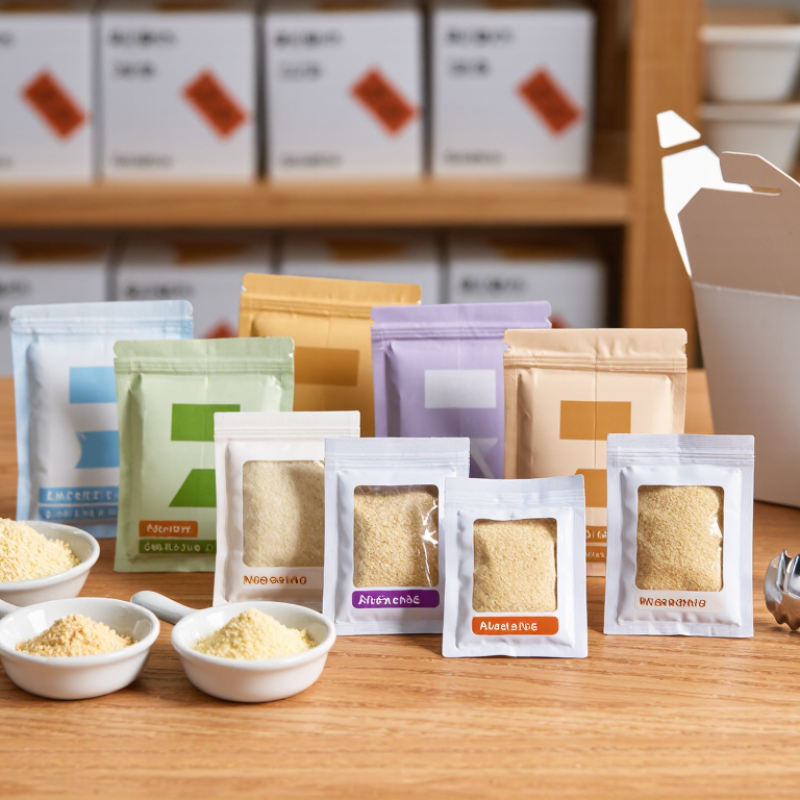
What Bulk Buyers Should Know About Garlic Powder Packets
Bulk buyers should compare garlic powder packets by specification, not price alone. Check ingredient purity, mesh size, moisture limits, pack weight, lot coding, and best-before dates. These details affect dosing, storage, and production consistency. Fine powder disperses quickly in sauces, while coarser granules may suit dry seasoning blends. Request a current specification sheet and a sample from the same production lot when possible. A low price is less useful if the powder cakes or varies between deliveries.
USDA FoodData Central lists garlic powder at about 331 calories and 72.7 grams of carbohydrate per 100 grams. These figures help with recipe calculations, but they do not verify packet quality or shelf life. Ask suppliers how they protect product from moisture, and inspect seals and inner liners on arrival. Large orders can reduce unit costs, yet oversized packs may expose powder to humidity after opening. That trade-off is easy to underestimate.
Tip: Compare cost per usable kilogram, not just cost per packet. Store opened packs in airtight, food-safe containers, away from heat and steam. Keep one retained sample from each lot; it makes flavor and texture changes easier to spot. No checklist replaces testing. USDA FoodData Central is a nutrient reference, not a purchasing standard.
Key Criteria for Comparing Bulk Garlic Powder Packets
When comparing bulk garlic powder packets, check the net weight per packet and the number of packets per case. A low case price can hide a high cost per usable ounce. Compare the listed ingredient too: pure garlic powder behaves differently from blends containing salt or anti-caking agents. Small details matter. For kitchens serving many meals, consistent flavor and a predictable scoop size make ordering easier.
Packaging should suit the way the product is stored and used. Inspect seals, tear notches, and whether opened packets can be emptied without powder clinging to the corners. Garlic powder absorbs moisture readily, so intact, moisture-resistant packaging helps preserve its free-flowing texture. Check the production or best-by information, and ask how cases are protected during shipping. A damp carton is a warning, not a minor inconvenience.
Test a sample before committing to a large order. Sprinkle the powder over warm oil or mix it into a familiar recipe, then note aroma, color, clumping, and flavor strength. If available, compare the same measured amount across samples; visual impressions alone can mislead. The packet that costs least may not be the best value if cooks use more to reach the desired taste. I would also track results for a few weeks—busy kitchens do not always measure as carefully as planned.
10 Best Garlic Powder Packets for Bulk Buyers — Key Criteria for Comparing Bulk Garlic Powder Packets
A generic nutrition reference for comparing product labels. Values are grams per 100 g of garlic powder; individual products may vary.
Use nutrition panels to compare bulk packets on a consistent basis, such as per 100 g. Reference values shown: carbohydrates 72.73 g, protein 16.55 g, dietary fiber 9.00 g, and sugars 2.43 g. Generic reference data: USDA FoodData Central; actual products can differ.
Ten Garlic Powder Packet Options for Large-Volume Buyers
Large-volume buyers need packet sizes that match serving routines, not just the lowest unit price. FAOSTAT’s 2022 Crops and Livestock Products database records about 29.1 million tonnes of garlic harvested worldwide. That figure describes fresh garlic, not garlic powder, but it shows the scale of the underlying crop market. Supply and aroma can still vary between lots.
Six practical dose sizes are 1, 2, 3, 5, 10, and 20 grams. Format choices include stick packs, tear-notch sachets, foil-laminate packets, and recyclable mono-material pouches. That gives ten useful configurations. Smaller packs suit meal kits and tasting portions; larger sachets fit commercial kitchens. Check net weight, seal integrity, powder flow, and lot-level specifications. Fine powder can cling to packet corners.
Small details matter. Ask suppliers for moisture and microbiological specifications, plus a recent certificate of analysis. USDA FoodData Central lists garlic powder as a distinct food entry, but nutrient values do not establish packet quality or freshness. Compare samples in the actual dispensing setting. A packet that pours neatly into a test cup may behave differently over a busy service. Test before ordering. I would not commit to a large run based on price sheets alone.
How to Evaluate Cost, Packaging, and Supplier Reliability
Bulk buyers should compare garlic powder packets by usable cost, not just the quoted case price. Divide the full delivered cost by the net weight you can actually use. Include freight, inner-pack counts, damaged sachets, and any handling fees. A cheaper case may contain lighter packets or more packaging waste. Small differences add up.
Check whether packets stay sealed and dry during storage and routine handling. Ask for samples, then inspect the seals, powder flow, and outer-carton strength. Confirm packet weight, case count, lot coding, and best-before details in writing. A simple test can reveal problems. It cannot predict every shipment, though.
Supplier reliability takes more than a polished sample. Ask for typical lead times, reorder minimums, and notice procedures for delays or specification changes. Request current product specifications and a sample from a normal production run when possible. Compare promised dates with actual delivery records from previous orders. Keep notes; memory gets fuzzy. A small trial order can expose packing or communication issues before a larger commitment, but it is not a guarantee. Review the terms and quality records carefully, and leave room in your purchasing plan for an imperfect shipment.
Bulk Storage and Handling for Garlic Powder Packets
For bulk buyers, garlic powder packets need a dry, orderly storage system—not just a large shelf. Keep cartons off the floor and away from sinks, steam lines, and sunny windows. The FDA Food Code (2022), section 3-305.11, calls for food storage areas to be clean, dry, and well ventilated. Use that as a practical baseline. Keep outer cases closed until needed, then transfer opened cartons to a lidded, food-safe bin. Label the bin with the receipt date and lot code. Small packets are easy to misplace.
Check seals and cartons when deliveries arrive. Reject damp, crushed, or punctured packaging, and rotate stock by earliest receipt date. USDA’s FoodKeeper guidance gives ground spices a pantry quality window of about two to three years; that is a quality estimate, not a guarantee for every packet or storage condition. Keep a clean, dry scoop nearby for moving packets, and avoid handling them with wet gloves. Moisture can cause caking and make portions harder to use. It happens. A weekly check for leaks, pests, and stale odors takes little time, though the schedule may need adjusting in humid storage rooms. Keep older stock visible, rather than burying it behind new cases.