Best Hybrid Cloth Diapers for Eco Friendly Parents?
As eco-conscious parenting becomes increasingly popular, Hybrid Cloth Diapers offer a compelling choice. These diapers combine the benefits of cloth and disposable options, making them convenient and environmentally friendly. Parents looking for versatility will appreciate hybrid cloth diapers. They can easily switch between cloth inserts and disposable options when needed.
Choosing the right hybrid cloth diaper can be overwhelming. With various brands and styles available, it's essential to consider what suits your lifestyle best. Some parents may struggle with the learning curve of using these diapers, while others find them a game-changer in their daily routines. It's crucial to weigh the pros and cons and find a solution that works for your family.
Hybrid cloth diapers not only help reduce waste but also provide comfort for your baby. They can be more cost-effective than traditional disposables over time. However, some parents may not be completely sold on the concept and question their effectiveness. Experimenting with different brands and styles can help you discover what meets your needs. In this guide, we will explore the best hybrid cloth diapers available, offering insights for eco-friendly parents.
Best Hybrid Cloth Diapers: An Introduction to Eco-Friendly Options
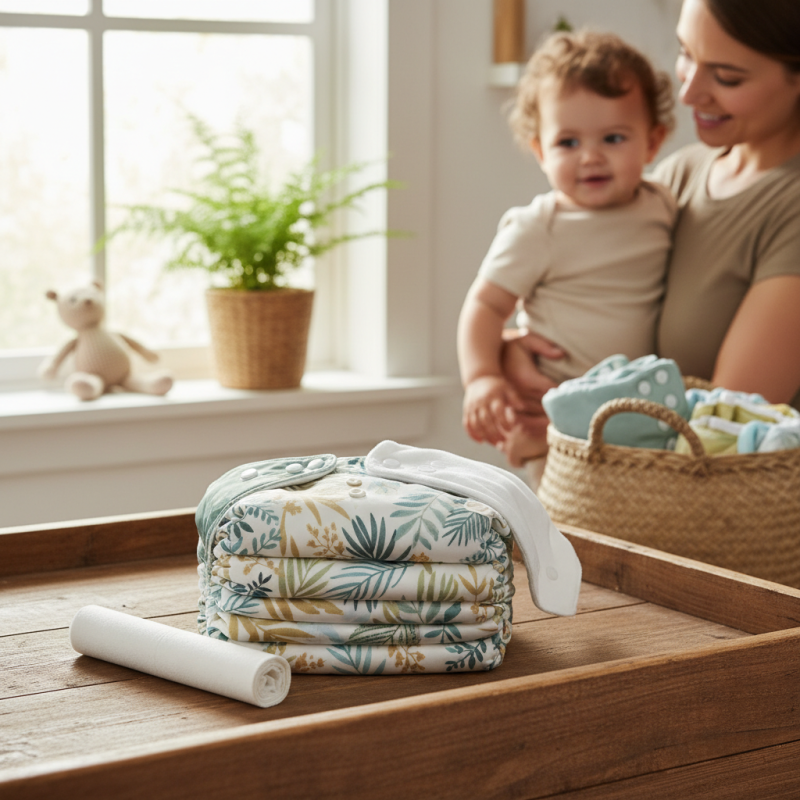
Hybrid cloth diapers provide a sustainable alternative for eco-conscious parents looking to reduce waste. These diapers combine the benefits of cloth and disposable options. According to a 2020 report by the Environmental Protection Agency, disposable diapers contribute over 3.5 million tons of waste to landfills annually. This staggering figure highlights the need for eco-friendly solutions like hybrid diapers.
Parents often appreciate the versatility of hybrid options. They usually feature a cover that can be reused multiple times, paired with an absorbent insert that can be washed. This dual approach offers flexibility, reducing the need for frequent purchases of disposables. Reports indicate that switching to hybrid systems can decrease overall diaper waste by up to 80%. However, it is important to note that proper maintenance is crucial. Some parents find that frequent washing can be time-consuming or cumbersome.
Many hybrid diapers boast adjustable designs, allowing for a customizable fit for babies of various sizes. This adaptability can be beneficial, but not all products fit every child's needs perfectly. A lack of standardization in diaper sizing can lead to leaks or discomfort. Parents may need to experiment with different styles, which can be both frustrating and time-consuming. Balancing convenience and sustainability becomes a journey of trial and reflection.
Best Hybrid Cloth Diapers for Eco Friendly Parents
| Diaper Type | Material | Eco Rating | Adjustability | Price Range |
| Hybrid A | Bamboo and Organic Cotton | 4.5/5 | Snap and Velcro Options | $20-$25 |
| Hybrid B | Hemp and Cotton Blend | 4/5 | One Size Fits All | $18-$22 |
| Hybrid C | Microfiber and Recycled Materials | 4.3/5 | Adjustable Waist | $15-$20 |
| Hybrid D | Cotton and Natural Fabrics | 4.6/5 | Snap Closures | $22-$28 |
Understanding the Benefits of Hybrid Cloth Diapers for the Environment
Hybrid cloth diapers have gained popularity among eco-friendly parents. They often combine the benefits of traditional cloth diapers and disposable ones. This innovative design reduces waste. It offers convenience for busy families.
Using hybrid cloth diapers can significantly lower environmental impact. Traditional disposable diapers contribute to landfill waste. They can take centuries to decompose. In contrast, hybrid options often use biodegradable inserts. This means less plastic in our ecosystems. Parents can also wash and reuse the outer shell, further reducing waste.
While these diapers are environmentally friendly, they do have drawbacks. Some parents find them less convenient than fully disposable options. There may also be a learning curve for proper use and care. However, many families feel the trade-offs are worth it. Investing in hybrid cloth diapers reflects a commitment to sustainability. It encourages a more mindful approach to parenting and waste management.
Key Features to Look for in Eco-Friendly Hybrid Cloth Diapers
When searching for eco-friendly hybrid cloth diapers, parents should consider several key features. One crucial aspect is material. Natural fibers, such as organic cotton or bamboo, are often more sustainable than synthetic blends. According to a recent report from The Journal of Environmental Management, cotton diapers can reduce waste by 80% compared to disposable options. However, cotton production can be water-intensive. This highlights a need for balance when choosing materials.
Another important feature is adjustability. Diapers with multiple snap settings can accommodate a growing child. This means parents can use the same diaper for longer, reducing overall waste. Research indicates that families can save over $2,000 by opting for hybrid cloth diapers instead of disposables over four years. Additionally, ease of cleaning matters. Some parents prefer options that can be tossed in the washer without worries. Yet, not all types are designed to resist staining or odors.
Many eco-friendly diapers also prioritize biodegradability. This ensures that, when disposed of, they break down more effectively than traditional disposables. However, certification can vary widely, so checking labels for eco-certifications is essential. Understanding these features not only makes for efficient diapering but also pushes towards sustainability in child-rearing practices.
Top Recommended Brands for Sustainable Hybrid Cloth Diapers
When considering sustainable diaper options, hybrid cloth diapers are gaining traction among eco-conscious parents. A recent report indicates that traditional disposable diapers can take up to 500 years to decompose. In contrast, hybrid cloth diapers combine the benefits of reusable covers and disposable inserts, significantly reducing landfill contributions.
Several brands lead the way in hybrid cloth diaper innovations. Their products are designed to use organic materials, promoting a sustainable lifestyle. For instance, many hybrid diapers have a waterproof outer layer made from recycled plastics. This not only minimizes waste but also offers breathability and comfort for the baby. Additionally, the use of eco-friendly materials can help reduce skin irritation and diaper rash, which are common concerns for parents.
However, navigating the hybrid diaper space poses challenges. Parents may find it hard to determine which brands offer the best sustainability practices. The lack of standardization in eco-labeling can create confusion. Furthermore, while these diapers are more eco-friendly, they can also come with a higher initial cost. Balancing budget and environmental impact requires reflection and research. Understanding the long-term savings of reduced waste and lower utility bills could make hybrid cloth diapers an attractive option in the long run.
Tips for Caring and Maintaining Hybrid Cloth Diapers for Longevity
Caring for hybrid cloth diapers is essential for maximizing their lifespan. Regular washing is key. Use a gentle, eco-friendly detergent. Avoid fabric softeners and dryer sheets, as they can reduce absorbency. Frequent washing can wear out diapers faster. Aim for every two to three days.
Proper drying methods matter too. Air drying prolongs the life of the materials. Direct sunlight can help eliminate odors and stains, but too much sun can fade colors. If using a dryer, opt for a low heat setting. High heat can compromise the diaper’s structure over time.
Inspect your diapers regularly. Look for signs of wear, such as fraying edges or weakened elastic. Those small details can lead to bigger problems if unnoticed. Make repairs as soon as possible. Taking these steps may feel daunting but leads to longer-lasting, eco-friendly solutions for your baby. Embrace the learning curve. You may not get it right every time, and that's perfectly okay. Each wash and repair teach you something new.