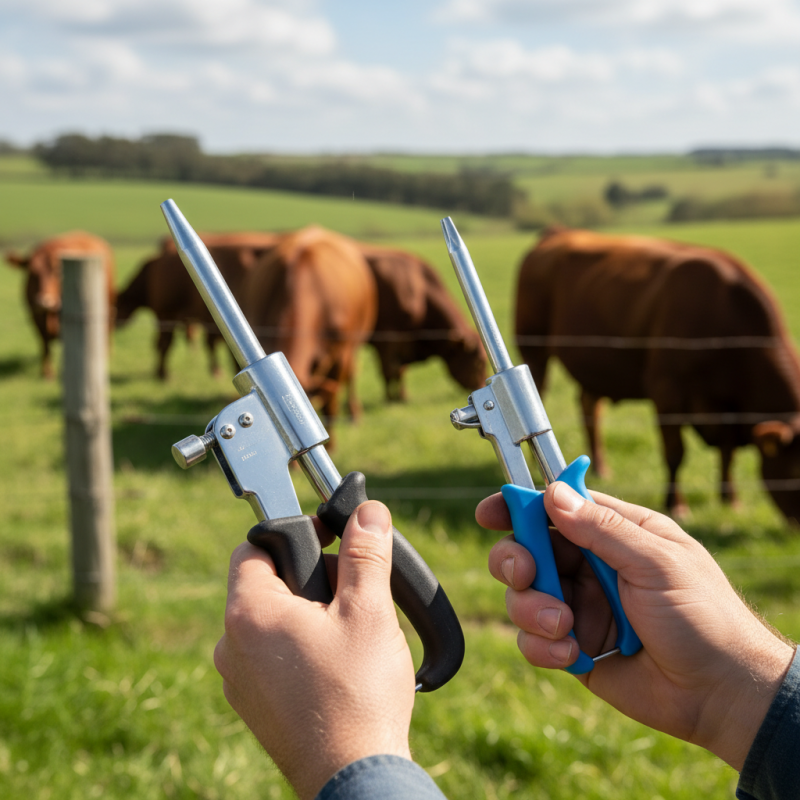
2026 How to Choose the Best Balling Gun for Cattle Use?
Choosing the right Balling Gun For Cattle is vital for effective livestock management. This essential tool aids in administering medication and supplements safely. Not all balling guns are created equal. Each design serves different needs and varying herd sizes.
When selecting a balling gun, consider the material and size. A robust construction ensures longevity, while the right size facilitates ease of use. Some farmers may overlook these factors. It’s crucial to remember that a poor choice can lead to stress for both the handler and the animal.
Expert recommendations vary based on experience with diverse cattle breeds. Always prioritize reliability and user comfort. A well-chosen Balling Gun for Cattle can enhance your herd’s health and productivity. Evaluate your options carefully. Making a hasty decision could have long-term consequences.
Understanding the Purpose of Balling Guns in Cattle Management
Balling guns play a crucial role in cattle management. These tools are designed to deliver oral medications and supplements directly to cattle. This practice ensures that animals receive their necessary treatments efficiently. Proper use of a balling gun can improve overall herd health and reduce the stress of administering medications.
When selecting a balling gun, consider its design and functionality. A well-designed balling gun minimizes discomfort for the animal. It should fit comfortably in your hand, allowing for precise control. Look for features that enhance usability, such as a sturdy barrel and a smooth plunger. Each aspect can influence the effectiveness of treatment.
Using a balling gun can involve challenges. Some cattle may resist the process, leading to injuries. It’s vital to handle animals calmly and gently. Reflecting on your approach helps improve your techniques. Experience teaches that patience is essential. Overall, understanding the purpose of a balling gun can lead to better cattle management practices.
Key Features to Consider When Selecting a Balling Gun
Choosing the right balling gun for cattle is crucial. It can affect the health and well-being of your animals. Several key features should guide your selection process.
One significant aspect is the material of the balling gun. Stainless steel is a reliable choice. It's sturdy and easy to clean. However, some may find plastic options lighter and easier to handle. Consider your comfort when choosing. A good grip is essential for effective use.
Another important feature is the size. Balling guns come in various sizes to accommodate different cattle types. Ensure you select a size that fits well in the animal’s throat. A tight fit reduces the risk of injury.
Tips: Always inspect the balling gun for wear and tear. Regular maintenance can prolong its lifespan. Using a well-maintained tool improves its functionality. Also, consider practicing with the balling gun before actual use. Getting familiar with its operation can enhance your confidence and efficiency.
Comparing Different Types of Balling Guns Available on the Market
When selecting the best balling gun for cattle use, understanding the various types available is essential. Different designs cater to specific needs and preferences among farmers and veterinarians. A recent study indicated that nearly 65% of cattle owners prefer ergonomic designs that reduce hand strain during use. This factor is crucial when administering medications frequently.
Plastic balling guns are popular due to their lightweight and cost-effective nature. However, they may lack durability compared to metal options. A survey showed that about 40% of users experienced issues with breakage in demanding conditions.
Metal balling guns, while heavier, offer better longevity and consistent performance, making them suitable for larger herds. Still, the price point can be a barrier for some.
Moreover, size matters. A balling gun that is too large can lead to complications during administration. It's essential to choose a model that fits comfortably in hand while accommodating the animal's throat size. Training also plays a role in efficiency. Reports suggest that improper technique leads to a 30% increase in stress for the animal and the handler. Choose a design that you can handle quickly and effectively to minimize issues.
Tips for Proper Usage and Maintenance of Balling Guns
Using a balling gun properly is essential for effective cattle management. It allows you to administer capsules or boluses directly to animals. Make sure the gun is clean before each use. A dirty balling gun can introduce harmful bacteria. This may lead to health issues in your cattle. Always inspect the device for any cracks or defects. A damaged gun may not function correctly and could hurt the animal.
Proper technique is crucial for safe usage. Position the balling gun at the back of the animal's throat. This ensures the capsule goes down easily. Gently apply pressure on the trigger. If the animal resists, take a moment. Patience reduces stress for both you and the cattle. Avoid forceful movements, as they can cause injury.
After use, clean the balling gun thoroughly. Rinse it with warm, soapy water and disinfect it. Store it in a dry, cool place to prevent rust and ensure longevity. Regular maintenance is just as important as proper usage. Reflection on your technique will enhance your skills over time. Every experience offers a lesson; learn from each interaction with your cattle.
Common Mistakes to Avoid When Choosing a Balling Gun for Cattle
Choosing a balling gun for cattle is not as straightforward as it seems. Many ranchers overlook essential aspects, leading to poor choices. One common mistake is ignoring the size of the gun. A balling gun that is too large can hurt the animal, while one that is too small may not deliver the medication effectively.
Another significant error is the disregard for ease of use. A complicated mechanism may slow down the process, increasing stress for both the cattle and the handler. Studies show that a seamless experience during administration reduces stress by nearly 30%. Proper ergonomics also matter. A comfortable grip ensures better control and accuracy.
Safety features should never be compromised. Sharp edges or difficult-to-clean parts can pose risks. According to industry reports, 15% of cattle handlers have reported injuries due to inadequate safety measures in their tools. Always choose a design that prioritizes both animal and user safety. Engaging with livestock should be a thoughtful choice, not rushed or impulsive.