How to Choose the Right Container Battery for Your Needs?
In today’s rapidly evolving energy landscape, the choice of Container Battery is crucial for both residential and industrial applications. According to a report by the International Energy Agency, container batteries are expected to account for a significant portion of energy storage solutions by 2025. This booming market signifies the increasing reliance on renewable energy sources and the need for reliable power storage.
Selecting the right container battery can feel overwhelming. With numerous options available, from lithium-ion to lead-acid, understanding each type's specific strengths is essential. For instance, lithium-ion batteries generally offer higher energy density and longer life cycles compared to their lead-acid counterparts. However, costs can vary widely. A recent market analysis revealed that while lithium-ion prices have dropped, they still represent a larger upfront investment.
Moreover, it's important to consider the intended application. Container batteries serve various purposes, from backup power to off-grid usage. Incorrect selection can lead to inefficiencies and additional costs in the long run. This underscores the necessity for careful evaluation. It invites reflection on individual energy needs and the long-term benefits of investing in the right technology. Making an informed choice involves examining reliability, efficiency, and overall sustainability of the container battery options available.
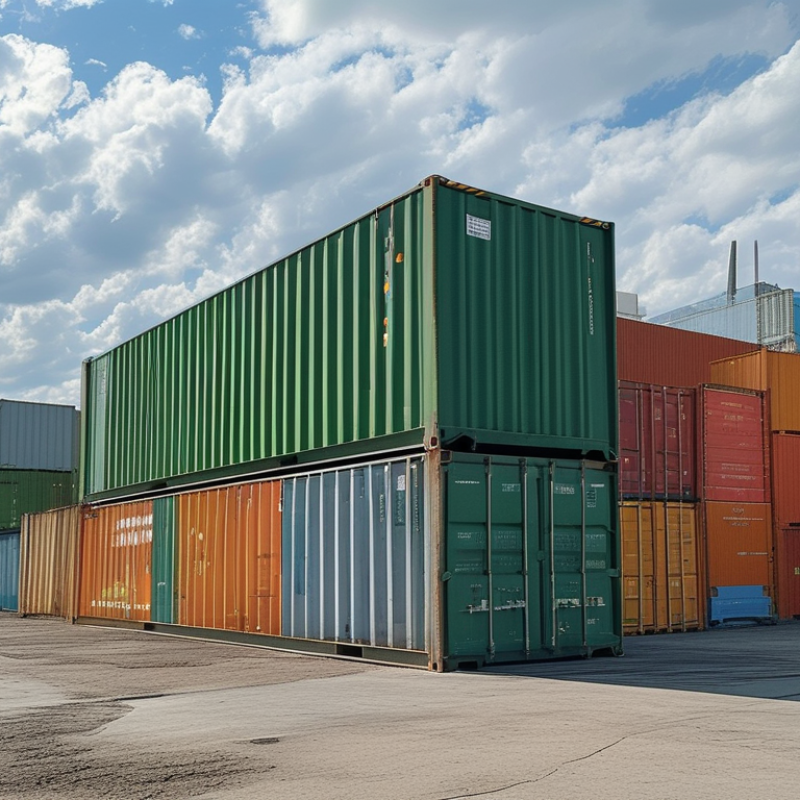
Understanding Container Battery Types: Lead-Acid vs. Lithium-Ion
When deciding between lead-acid and lithium-ion container batteries, it's crucial to understand both types. Lead-acid batteries have been around for decades. They are cheaper upfront but heavier. Their lifespan is shorter, often around three to five years. Maintenance can be a hassle. They require regular checks and fluid top-ups.
On the other hand, lithium-ion batteries offer several advantages. They are lighter and more compact. Their lifespan is longer, often exceeding ten years. They require minimal maintenance. However, their initial cost is higher. This might be a concern for those on a tight budget.
**Tips:** Always assess your energy needs first. Calculate your daily usage. Consider where you will install the battery. Space matters. Ensure proper ventilation and accessibility. Be aware of your local regulations on battery disposal and recycling. This could save you headaches later.
How to Choose the Right Container Battery for Your Needs?
| Battery Type | Lifespan (Years) | Cycle Life (Charge/Discharge) | Energy Density (Wh/kg) | Weight (kg) | Cost ($/kWh) |
| Lead-Acid | 3-5 | 500-800 | 30-50 | 25-30 | 100-150 |
| Lithium-Ion | 8-15 | 2000-5000 | 150-200 | 10-15 | 300-700 |
Evaluating Capacity Requirements: Amp-Hour Ratings Explained
When selecting a container battery, understanding amp-hour ratings is crucial. These ratings indicate how much energy a battery can deliver over time. For example, a 100 amp-hour battery can theoretically provide 100 amps for one hour or 10 amps for ten hours. This flexibility is important when assessing your actual needs.
Different applications have varying requirements. A small solar setup may only need a 50 amp-hour battery, while an electric vehicle may require multiple times that capacity.
It’s essential to consider your usage patterns. If you often use a high amount of power quickly, you may need a higher amp-hour rating. Yet, it's also important to avoid overestimating your needs, which can lead to unnecessary expense and weight.
Many people overlook this aspect, focusing more on other features. Some may assume a larger capacity is always better, but that’s not always true. A balance between capacity and actual use will enhance efficiency. Remember, an overly large battery can be cumbersome and expensive. A deep reflection on your power needs will lead you to the right choice.
Factors Affecting Battery Lifespan: Cycle Life and Temperature Influence
When selecting a container battery, understanding the factors that influence its lifespan is crucial. One of the key elements is cycle life. This refers to the number of charge and discharge cycles a battery can undergo before its capacity significantly diminishes. A battery with a high cycle life is essential for frequent use, as it reduces the need for replacements. Yet, not all applications require the same cycle life. Assessing your usage patterns can help determine the right battery for you.
Temperature is another critical factor that affects battery performance. Extreme heat or cold can dramatically impact a battery’s efficiency. High temperatures can accelerate chemical reactions, leading to quicker degradation. Conversely, cold weather can reduce a battery’s available power. Monitoring the storage and operating conditions is necessary.
Consider where you will keep the battery, as exposure to extreme conditions can shorten its lifespan unexpectedly. It’s a complex interplay that often requires reflection on past experiences and habits to improve future choices. Adjusting your expectations based on these factors can lead to better decision-making regarding battery selection.
Safety Standards and Certifications: Navigating UL and CE Requirements
When selecting a container battery, understanding safety standards is crucial. UL (Underwriters Laboratories) and CE (Conformité Européenne) certifications guide you to make safe choices. UL certification often indicates rigorous testing in North America. CE marking ensures compliance with European safety regulations. Both provide peace of mind about your battery's safety.
Tips: Always ask for certification documents when purchasing batteries. Verify the supplier's claims regarding safety standards. This helps you avoid potential hazards.
Additionally, it’s essential to consider the specific application of the container battery. Different uses may have varying safety requirements. For instance, batteries used in consumer electronics may need stricter safety measures than those for industrial applications. Make sure to align your choice with your actual needs.
Tips: Conduct thorough research on required certifications for your battery's intended use. This knowledge can help prevent costly mistakes down the line. Remember, safety should always be a priority.
Battery Container Safety Standards Comparison
This chart illustrates the compliance rates for various battery safety certifications including UL Certification, CE Marking, ISO 9001, IEC 62133, and UN 38.3. These certifications are essential for ensuring that Battery Containers meet safety standards. Each certification has its own importance and verification process that impacts the selection of the right battery container for your needs.
Cost Analysis: Long-Term Investment vs. Upfront Expenditure
When considering a container battery, the cost is a crucial factor. Upfront expenditure often seems daunting. However, industry data suggests that examining long-term investments can provide clearer insights. A report from the International Energy Agency indicates that energy storage costs have dropped by 70% since 2010. This sharp decrease makes upfront costs more manageable, especially for those spread over years.
Many users overlook ongoing savings. Efficient container batteries often lead to reduced energy bills. These savings can offset initial expenses. For instance, a study by Bloomberg New Energy Finance reported that solar-plus-storage systems could achieve payback periods as low as 6-8 years. Therefore, long-term financial planning is essential for making a wise choice.
Investing in quality container batteries can yield substantial future returns. Many users grapple with maintenance or inefficiencies. These factors can diminish the potential benefits. Regular monitoring and analysis of battery performance can aid in maximizing efficiency. Understanding your specific needs will ensure that both initial and future costs are aligned with your energy goals.