
How to Choose the Best Trash Removal Service in 2026?
Choosing the best Trash Removal service in 2026 starts with a clear picture of the job. Is it a few boxes beside the garage, an old sofa, or debris left after a renovation? The answer affects the crew size, vehicle, schedule, and price. A reliable provider should ask what needs removing, where items are located, and whether stairs or narrow access could slow the work. Small details matter.
Request a written estimate that explains what the price includes, such as labor, loading, and disposal fees. Ask when the crew will arrive and what happens if the job takes longer than expected. Check recent customer feedback for specific details about punctuality, careful handling, and clear communication. A polished website is not proof of dependable service. Look for direct answers.
Responsible providers can also explain how they handle reusable or recyclable materials, without making vague promises. Confirm that the company serves your area and can accommodate your timing. Before booking, compare a few estimates using the same item list; otherwise, a low quote may simply cover less work. There is no perfect checklist, and reviews can miss important context. Still, a careful comparison can reveal warning signs before a truck reaches your driveway. The best choice is not always the cheapest or fastest. It is the service that clearly explains its process, respects your property, and gives you enough information to make a confident decision.
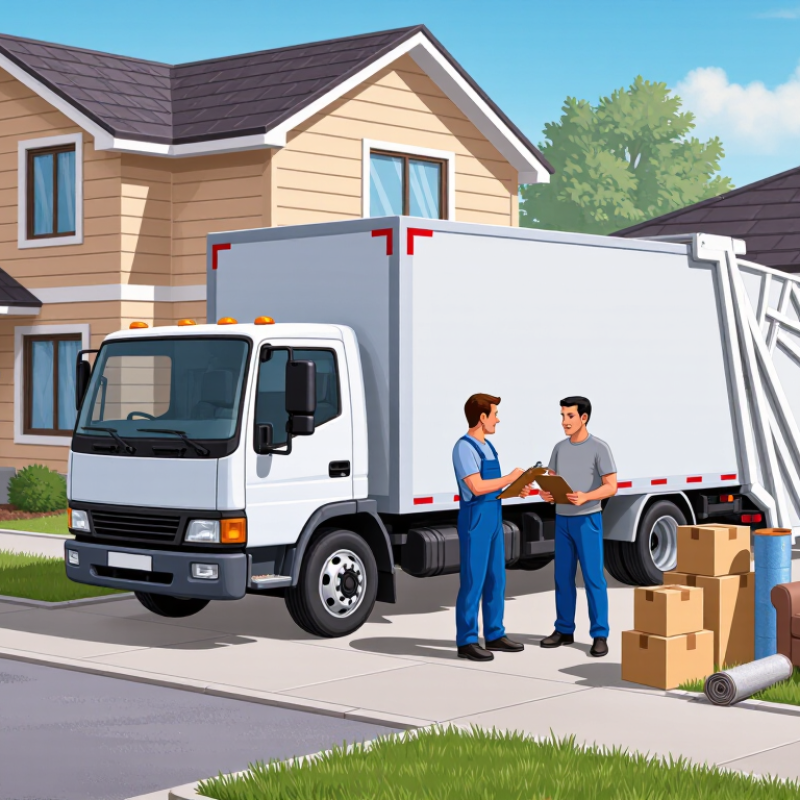
Table of Contents
[Hide]
Understanding Your Trash Removal Needs and Service Requirements
Before comparing trash removal services, define what needs to leave and when. A kitchen refresh may produce several bags, while a garage cleanout can involve shelving, boxes, and a heavy mattress. Estimate the pile’s size in bags, cubic yards, or truck space, and note unusually bulky items. A quick photo can help a service provider give a more realistic estimate.
Access matters, too. Record whether items are on an upper floor, behind a narrow gate, or far from the parking area. Mention stairs, elevator limits, and any time restrictions at your building. Small details can affect labor and price. Easy to overlook. If the load is still growing, ask whether the estimate can change on pickup day; “about this much” is not always enough.
Clarify the service terms before booking. Ask what materials are accepted, whether sorting or lifting is included, and if extra charges apply for heavy items or a second trip. Confirm the arrival window and how payment is calculated. For reuse or recycling, ask what the provider can realistically separate rather than assuming every item will be diverted. I might still misjudge the volume, especially when bags hide dense debris, so leave room for an updated estimate and get any changes explained before work begins.
How to Choose the Best Trash Removal Service in 2026? - Understanding Your Trash Removal Needs and Service Requirements
| Your Need | Service Type to Consider | Requirements to Confirm | Important Considerations |
|---|---|---|---|
| Routine household waste Regular rubbish from a home or apartment |
Scheduled curbside collection or building-managed collection | Collection days, accepted bin types, placement rules, missed-pickup process, and service-area availability | Check local rules for recycling, yard waste, and items that cannot go in regular bins. |
| Furniture and bulky items Sofas, mattresses, appliances, or large household goods |
On-demand bulky-item pickup or a local drop-off program | Item limits, preparation requirements, pickup access, appointment windows, and any extra charges | Some appliances require special handling; donation or reuse may be possible for usable items. |
| Home renovation or cleanout Mixed debris, fixtures, and household materials |
Temporary dumpster rental or scheduled hauling | Allowed materials, container capacity, rental period, weight limits, delivery access, and collection arrangements | Permits may be required when a container is placed on a public street or other regulated space. Confirm local rules. |
| Yard and garden waste Leaves, branches, and other landscaping material |
Separate yard-waste collection, composting service, or an approved drop-off site | Accepted materials, bag or bundle rules, seasonal schedules, and limits on branch size or volume | Yard waste is often handled separately from household rubbish; accepted materials vary by locality. |
| Electronics and batteries Computers, televisions, rechargeable batteries, or small devices |
Dedicated e-waste or battery collection and approved recycling drop-off | Accepted device types, data-clearing guidance, battery packaging, and drop-off or pickup options | Do not assume electronics or batteries are accepted in regular trash or curbside recycling; rules differ by location. |
| Paint, chemicals, and other hazardous household waste | Local household hazardous-waste collection or an authorized specialist | Material eligibility, appointment requirements, quantity limits, packaging, and designated drop-off locations | Many standard trash services exclude hazardous materials. Follow local disposal guidance and product-label instructions. |
| Recurring service for a business or multi-unit property | Commercial collection with an agreed schedule and suitable containers | Service frequency, container access, overflow handling, recycling options, contract terms, and account support | Estimate waste volume and access needs before choosing a schedule; requirements depend on the property and local rules. |
| Before booking any service | Compare providers serving your address | Request a written quote covering included services, extra-item fees, weight or volume limits, timing, and cancellation terms | Confirm what is excluded and how materials are handled. Prices, accepted items, and rules vary by provider and location. |
Related Posts
-

Unlocking Quality Suppliers: The Definitive Guide to Sourcing County Waste Solutions Globally
-

Top 10 Waste And Recycling Facts You Need to Know?
-
Top 10 Garbage Removal Manufacturers from China at the 137th Canton Fair
-

What is the Growing Demand for Trash Removal Services in Global Markets
-
What is the Importance of Efficient Trash Removal for Sustainable Urban Development
-

Revolutionizing Waste Management Strategies for Efficient Trash Pickup Solutions