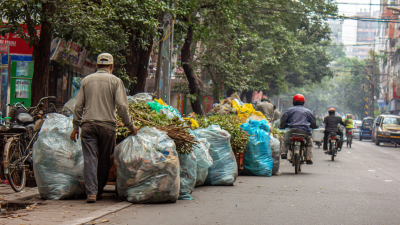
How to Improve Waste Management Strategies for a Sustainable Future in 2025
In an era where sustainability has become a pressing concern, the importance of effective waste management strategies cannot be overstated. As we approach 2025, the global community faces the challenge of ensuring that the systems we establish today not only address current waste issues but also lay the groundwork for a greener future. According to Dr. Emily Carter, a renowned expert in waste management, "Innovative waste management practices are essential to transforming how we interact with our environment and ensuring a sustainable future for generations to come."
The escalating levels of waste generated, coupled with the environmental repercussions of improper disposal, necessitate a thorough re-evaluation of existing waste management approaches. Industries, governments, and communities must collaborate to develop comprehensive strategies that focus on reducing waste at the source, enhancing recycling efforts, and promoting responsible consumption. As highlighted by key thought leaders in the waste management sector, integrated approaches that consider technological advancements and community engagement will play a crucial role in driving forward the necessary changes.
As we look towards 2025, it is imperative that we harness the expertise available in the waste management industry, implement innovative solutions, and foster a culture of sustainability. By prioritizing proactive waste management practices, we can pave the way for a cleaner, healthier planet, ensuring that our waste no longer becomes a burden, but rather a resource for future generations.

Current Waste Management Challenges and Their Impact on Sustainability
Current waste management challenges significantly impede efforts toward sustainability, affecting both environmental health and social well-being. One of the most pressing issues is the growing volume of waste generated, driven by increasing consumerism and rapid urbanization. Many municipalities struggle to keep up with the escalating waste production, leading to overfilled landfills and inadequate recycling facilities. This not only harms local ecosystems but also contributes to greenhouse gas emissions, exacerbating climate change. Additionally, the lack of efficient waste segregation at source often results in recyclable materials being lost in general waste, further diminishing the potential for reuse and recycling.
Moreover, socio-economic disparities play a critical role in waste management challenges. In low-income communities, limited access to waste collection services and recycling programs exacerbates waste mismanagement, resulting in higher pollution levels and health risks. Public awareness and education around sustainable waste practices are insufficient, leading to a lack of community involvement in waste reduction initiatives. Overcoming these challenges requires innovative strategies that promote not only better waste collection and segregation but also community engagement and education, ensuring that sustainability becomes a shared responsibility and a reality for all.
Current Waste Management Challenges and Their Impact on Sustainability
This chart depicts the various waste management challenges faced in 2023, along with their percentage impact on sustainability efforts. The data highlights the importance of addressing these issues for a sustainable future.
Innovative Technologies for Enhanced Waste Sorting and Recycling Processes
Innovative technologies are playing a crucial role in transforming waste sorting and recycling processes, leading towards more effective waste management strategies.
According to a report from the World Economic Forum, the global recycling rate for plastic waste is only around 9%, highlighting an urgent need for enhancements.
 Advanced sorting technologies, such as AI-powered optical sorting systems, can significantly improve the accuracy of material separation.
These systems utilize machine learning algorithms to identify and categorize waste streams, which not only increases recycling rates but also reduces contamination levels.
A study from McKinsey states that the integration of such technologies could boost recycling efficiency by up to 30%, enabling municipalities and businesses to reclaim valuable resources.
Advanced sorting technologies, such as AI-powered optical sorting systems, can significantly improve the accuracy of material separation.
These systems utilize machine learning algorithms to identify and categorize waste streams, which not only increases recycling rates but also reduces contamination levels.
A study from McKinsey states that the integration of such technologies could boost recycling efficiency by up to 30%, enabling municipalities and businesses to reclaim valuable resources.
Furthermore, the implementation of blockchain technology in waste management can enhance transparency and accountability in the recycling process. By creating an immutable record of waste disposal and recycling transactions, stakeholders can more effectively track materials and ensure that they are being processed correctly.
According to a report by A.T. Kearney, utilizing blockchain in waste management could lead to a saving of up to $11 billion annually in operational costs through increased efficiencies and reduced fraud.
As we approach 2025, embracing these innovative technologies will be pivotal in achieving a sustainable future, where waste is not merely disposed of but is viewed as a resource to be reclaimed and reused.
Community Engagement: Building a Culture of Responsible Waste Disposal
Community engagement is essential in fostering a culture of responsible waste disposal, a critical component for effective waste management strategies aimed at sustainability. According to the Environmental Protection Agency (EPA), improper waste disposal contributes significantly to pollution, affecting both land and water resources. In the United States alone, over 292 million tons of waste were generated in 2018, highlighting the urgent need for community involvement in waste management initiatives. Engaging local residents not only raises awareness about the proper disposal of waste but also empowers them to take action within their neighborhoods, leading to better outcomes in waste reduction and recycling.
Educational programs and community workshops are effective methods for enhancing public understanding of waste disposal practices. A report from the Global Waste Management Outlook indicates that countries with strong community recycling programs have seen up to a 20% increase in recycling rates, demonstrating the power of local participation. By providing residents with the necessary tools and information about separating recyclables, composting organic matter, and reducing overall waste, communities can cultivate a proactive culture surrounding waste management. This shift fosters accountability and encourages individuals to view waste management as a shared responsibility rather than just a municipal issue, ultimately driving significant change towards a sustainable future by 2025.
How to Improve Waste Management Strategies for a Sustainable Future in 2025 - Community Engagement: Building a Culture of Responsible Waste Disposal
| Community Initiative |
Description |
Waste Reduction (% of Total Waste) |
Engagement Level (Participants) |
Implementation Year |
| Community Recycling Drives |
Organized events to collect recyclable materials from households. |
25% |
150 |
2023 |
| Composting Workshops |
Educational sessions on how to compost organic waste at home. |
15% |
80 |
2024 |
| Waste Audits |
Assessing waste generation to identify areas for reduction. |
10% |
50 |
2025 |
| Community Clean-Up Days |
Volunteers clean local parks and streets, reducing litter. |
20% |
200 |
2023 |
| School Programs |
Educational initiatives in schools promoting waste reduction practices. |
5% |
300 |
2024 |
Policy Frameworks and Regulations to Support Sustainable Waste Management
Effective waste management strategies are essential for creating a sustainable future, especially as we approach 2025. Establishing a robust policy framework is crucial for promoting sustainable waste management practices. Governments should prioritize legislation that encourages recycling, waste reduction, and the responsible disposal of hazardous materials. By implementing strict regulations, local authorities can create a standardized approach to waste management that not only addresses environmental concerns but also fosters community participation and awareness.
Tips: To support these policies, it’s important for communities to engage in educational programs that highlight the importance of sustainable waste management. Schools and local organizations can play pivotal roles by organizing workshops and campaigns that encourage recycling and composting among residents. Additionally, incorporating technology, such as waste tracking apps, can empower individuals to monitor their waste output and participate in reduction efforts actively.
Furthermore, collaboration between public and private sectors can enhance waste management strategies. By incentivizing businesses to adopt sustainable practices, governments can create a circular economy that minimizes waste creation and maximizes resource recovery. This partnership approach not only helps businesses comply with regulations but also promotes innovation in waste management solutions.
Tips: Hosting forums and discussions can serve as a platform for sharing best practices among businesses and communities. Regularly evaluating and updating waste management policies ensures they remain effective and responsive to changing environmental needs.
Future Trends in Waste Management Practices for 2025 and Beyond
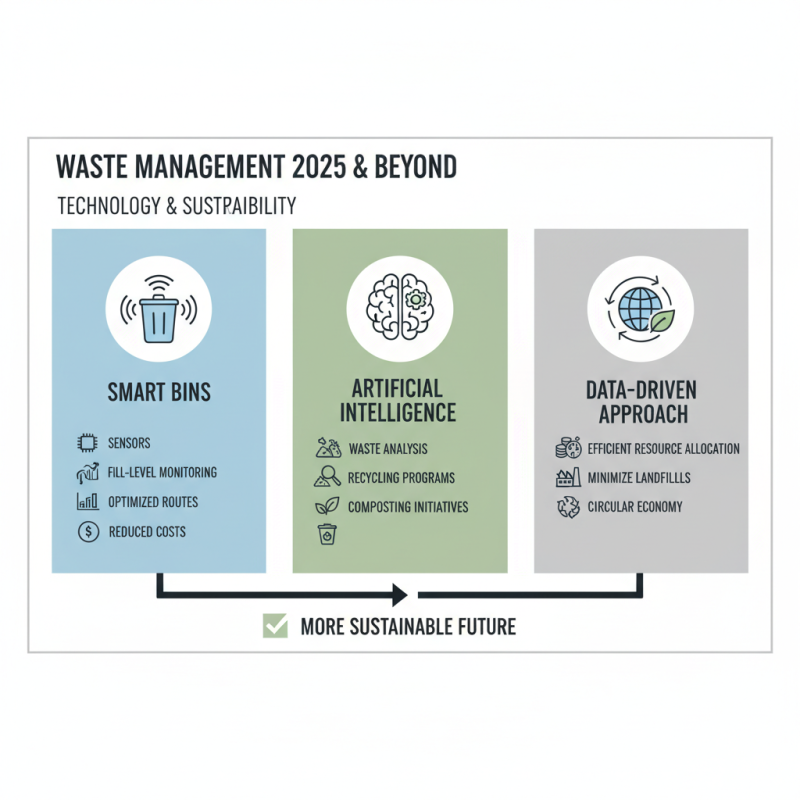
The evolution of waste management practices is crucial for sustainability as we approach 2025 and beyond. One of the most significant future trends is the integration of technology into waste management systems. Smart waste bins equipped with sensors can monitor fill levels, optimizing collection routes and reducing operational costs. Additionally, artificial intelligence can analyze waste composition, helping cities to better tailor their recycling and composting programs. This data-driven approach facilitates more efficient resource allocation and minimizes landfill reliance.
Another critical trend is the shift toward circular economy practices. Waste management strategies are increasingly focusing on not just disposal, but also on material recovery and reuse. This means adopting methods that turn waste into resources, such as converting organic waste into biogas or compost. By enhancing community engagement in recycling initiatives and providing education on resource conservation, societies can foster a culture of sustainability. As more businesses and municipalities adopt these practices, they not only reduce their environmental impact but also generate new economic opportunities in recycling and upcycling industries, paving the way for a more sustainable future.