
Blog

10 Portable Hand Washing Station Buying Tips

Choosing a Portable Hand Washing station is not simply about finding a sink with wheels. It is about matching water capacity, user demand, cleaning routines, and available space. A busy market, outdoor event, construction area, or school entrance may need very different equipment. The wrong choice can create frequent refills, unstable footing, or unpleasant drainage problems.

Small details matter.

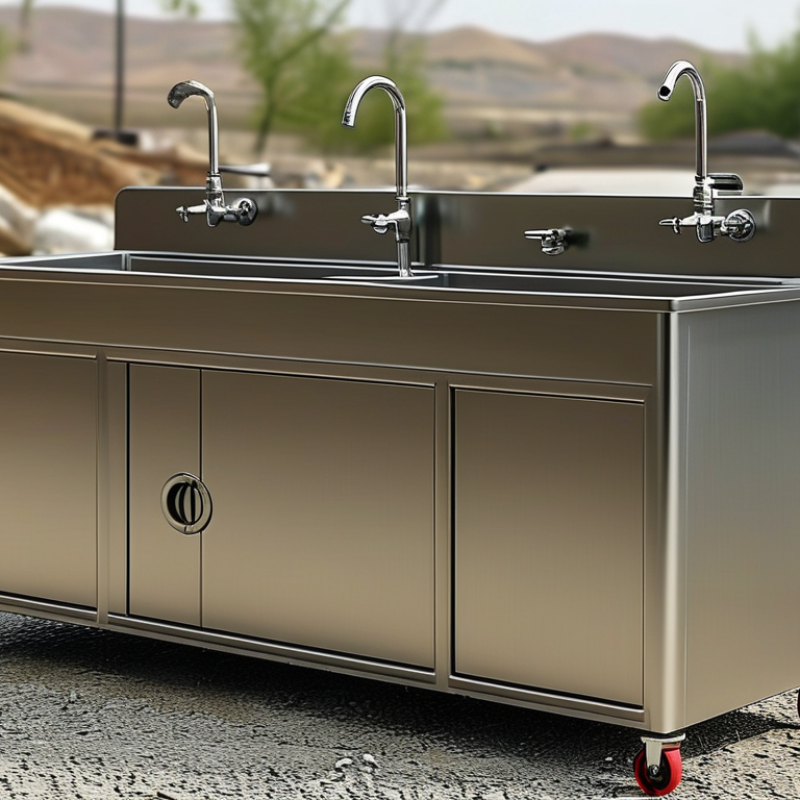
Before buying, inspect the fresh-water tank, wastewater container, pump, and foot-pedal design. A larger tank reduces interruptions, but it also increases carrying weight. Look for smooth surfaces, rounded corners, and removable parts that can be cleaned without special tools. Stainless steel often feels durable, while high-quality plastic may be lighter and easier to transport. Neither material solves every problem.

Think about daily handling. Can one person roll the unit across gravel? Does the handle remain comfortable after repeated use? Is the soap dispenser easy to refill with wet hands? These questions sound basic, yet they reveal practical weaknesses. I once saw a compact station perform well indoors but become awkward on uneven pavement. That experience was a useful reminder: portability depends on wheels, balance, and terrain, not appearance alone.

Reliable buying decisions also consider water conservation, drainage control, storage, and replacement parts. Product specifications should be checked against real operating conditions, not accepted blindly. This guide presents ten practical Portable Hand Washing buying tips, combining field observations with maintenance-focused advice. Some recommendations may seem obvious. They are still easy to overlook. A careful comparison now can prevent messy, costly adjustments later.
10 Portable Hand Washing Station Buying Tips

Define Your Hand Washing Station’s Intended Use and Location

Before comparing portable hand washing stations, define how and where people will use them. A unit for an outdoor food event needs different features from one used near a workshop entrance. Count expected users, operating hours, and available water access. Observe the location during its busiest period. A quiet corner may become crowded quickly.

Tips: Place the station where visitors naturally pass, but keep it away from dust, waste containers, and vehicle traffic. Choose firm, level ground to prevent tipping and water pooling. Check whether the area has shade, lighting, and enough space for wheelchair access. Weather matters too. Wind can move lightweight units, while cold conditions may affect water flow. I once underestimated afternoon glare, making the water level difficult to inspect.

Match the station’s capacity to real demand, not an optimistic estimate. A busy site may need larger clean-water and wastewater tanks, or more than one station. Keep soap, paper towels, and a foot-operated control within easy reach. Place a visible hand-cleaning instruction nearby, especially where food is handled. Inspect the unit before opening and during use. Look for leaks, empty supplies, slippery ground, or blocked access. Small problems become unpleasant surprises. A short trial setup can reveal issues that a product description cannot.

Check Water Capacity, Drainage, and Refill Requirements

When choosing a portable hand washing station, start with its water capacity. A larger tank reduces refills during busy events, work areas, or outdoor classes. However, a full tank can become heavy and difficult to move. A 20-liter tank may suit small gatherings, while higher attendance requires more capacity. Estimate water use per person, then add a practical reserve.

Do not overlook drainage. Some stations collect wastewater in a separate container, while others use a hose connected to an approved drain area. The drainage tank should be easy to remove, carry, and clean. Check its capacity against the fresh-water tank. A small waste tank can interrupt service quickly. Keep the outlet stable and inspect connections for leaks before use.

Refill requirements also affect daily operation. Look for a wide filling opening, clear level markings, and a cap that seals securely. These details make refilling faster and help prevent contamination. Ask how often the pump, basin, and waste container need cleaning. At one outdoor setup, I underestimated water use during a hot afternoon. The tank emptied earlier than expected. That assumption was wrong. Now, I track actual usage during a trial session and keep clean refill water nearby. Also consider transport access, because narrow paths and uneven ground can make a full station surprisingly difficult to handle.

10 Portable Hand Washing Station Buying Tips: Check Water Capacity, Drainage, and Refill Requirements

# Buying Tip What to Check Useful Reference Why It Matters Questions to Ask
1 Confirm fresh-water capacity Check the size of the clean-water tank and whether its stated capacity is usable capacity. Common portable units hold approximately 5–20 gallons (19–76 liters). A larger tank reduces refill frequency but increases weight when full. How many complete hand-washing cycles are expected per refill?
2 Compare wastewater capacity Verify the gray-water tank size and whether it matches or exceeds the fresh-water tank. A wastewater tank is often designed at equal or greater capacity than the clean-water tank. The used water must be contained to prevent spills, odors, and sanitation problems. Can the gray-water tank be removed without lifting the entire station?
3 Calculate water use per wash Look for a controlled-flow faucet, foot pump, hand pump, or sensor that limits unnecessary flow. A full hand-washing event includes wetting, applying soap, rinsing, and turning off the flow. Lower water consumption increases the number of users served between refills. Is the flow rate adjustable, and is the faucet designed to shut off automatically?
4 Inspect the drainage method Choose a sealed gray-water tank or a compliant drain connection rather than uncontrolled ground discharge. Wastewater should be collected and disposed of according to local health and environmental rules. Proper drainage helps avoid slippery surfaces, contamination, and regulatory violations. Does the drain hose include a secure fitting and an easy-to-clean connection?
5 Review refill requirements Check fill-port size, hose compatibility, tank access, and whether a funnel is needed. A wide, clearly marked fill opening usually makes routine refilling easier. Difficult filling can cause delays, spills, and contamination of the clean-water tank. Can the tank be filled from a standard hose or potable-water container?
6 Check pump and power needs Determine whether operation uses a foot pump, manual pump, batteries, or an electrical outlet. Manual pumps work without electricity; powered pumps may require charging or battery replacement. The correct power option prevents interruptions at outdoor or remote locations. How long can the unit operate before batteries need replacement or recharging?
7 Verify soap and towel storage Look for a refillable soap dispenser and a protected location for paper towels or a hand dryer. Soap and drying supplies should be available at the same station as the water. Hand washing is incomplete if users cannot apply soap or dry their hands hygienically. Can the dispenser use standard liquid hand soap, and how is it cleaned?
8 Assess portability and loaded weight Check wheels, handles, lifting points, overall footprint, and the weight when both tanks are full. Water weighs about 8.34 lb per U.S. gallon (1 kg per liter), before adding the station. A station that is easy to move empty may be difficult to relocate when filled. Can one person safely move it over the surfaces and distances at the intended site?
9 Check cleaning and sanitation access Inspect whether tanks, hoses, faucet parts, and splash surfaces can be opened and cleaned. Smooth, nonporous surfaces and removable components are generally easier to sanitize. Regular cleaning helps control buildup, odors, and microbial contamination. Are the tanks and water-contact parts accessible without special tools?
10 Confirm temperature, safety, and compliance needs Determine whether warm water, splash control, non-slip support, accessibility features, or permits are required. Requirements vary by location, event type, climate, user population, and local health authority. A suitable station must be safe and acceptable for the specific operating environment. Which local regulations apply to potable water, wastewater disposal, accessibility, and servicing?

Compare Materials, Stability, and Ease of Cleaning

When comparing portable hand washing stations, start with materials rather than appearance. Food-safe, rust-resistant surfaces handle repeated contact better than thin painted steel. High-density plastic is lighter and resists dents, but it may discolor in strong sunlight. Stainless steel feels more durable around campsites and events, although it can show water spots. I have found that thick walls matter more than a glossy finish. Look closely at seams, tank handles, and drain fittings. Sharp edges often become cleaning problems.

Stability deserves a hands-on check. Fill the fresh-water tank, press the foot pump, and watch the base. A narrow unit may wobble when children or hurried users lean against it. Wide feet, non-slip pads, and a low center of gravity improve confidence on uneven ground. Wheels help movement, but small casters can sink into grass. Locking them is essential. Do not trust a light frame only because it is easy to carry.

Ease of cleaning depends on access. Choose removable tanks with broad openings, smooth interiors, and drain parts reachable without special tools. Fewer hidden channels mean fewer places for residue to collect. Use mild detergent and rinse thoroughly after each busy day. Dry the basin and tanks before storage. I once ignored this step, and a stale odor appeared within a week. That mistake changed my checklist. Ask for clear care instructions, replacement seals, and tested load information. Sellers should provide them. If they cannot, keep comparing.

Evaluate Pumps, Dispensers, and Hands-Free Operation

When buying a portable hand washing station, inspect the pump before admiring its appearance. A foot-operated pump keeps hands away from shared surfaces. The pedal should move smoothly and return without sticking. Choose a unit with a replaceable water pump, sealed tubing, and a clearly visible tank. A weak pump creates shallow flow, causing users to wash too quickly. That defeats the purpose.

Test the soap dispenser with wet hands and limited pressure. A measured dose reduces waste and prevents empty containers. Touch-free infrared dispensers can improve hygiene, but sensors may fail in bright sunlight or around splash water. Keep the sensor area clean. Short delays are frustrating. Very short delays cause repeated activation. According to CDC guidance, hand sanitizer should contain at least 60% alcohol when soap and water are unavailable. The dispenser must deliver enough product for complete hand coverage.

Water temperature, drainage, and refill access also matter. WHO and UNICEF’s 2023 JMP report found that 2.3 billion people lacked basic hygiene services at home in 2022. Reliable design remains important. Look for a wastewater tank with a secure lid and a high-level indicator. Stability matters on grass, gravel, and crowded event floors. I have seen buyers overvalue touch-free features and overlook cleaning access. That is an avoidable mistake. No system is perfect. Test the station repeatedly before deployment, including with children, gloves, and low battery conditions.

Review Portability, Safety Features, and Long-Term Value

When buying a portable hand washing station, test real portability, not just the product’s empty weight. A full 20-liter tank becomes heavy quickly. Larger wheels, a firm handle, and locking casters help on gravel or wet concrete. The WHO and UNICEF 2023 household hygiene report found that 2 billion people lacked basic hygiene services at home in 2022. This highlights why dependable access matters beyond temporary events.

Safety deserves closer inspection. Choose a separated clean-water tank and wastewater container, with a covered drain outlet. A foot pump can reduce contact with taps, while a splash guard keeps nearby surfaces drier. Look for stable legs, rounded edges, and a non-slip base. The CDC reports that proper handwashing can reduce diarrheal illness by 23–40%. A station that tips, leaks, or runs dry undermines that benefit. Small details matter.

Long-term value depends on maintenance, not appearance. Check whether pumps, hoses, wheels, and seals can be replaced individually. Smooth, non-porous surfaces simplify cleaning, while UV-resistant materials may last longer outdoors. NSF/ANSI 2 provides recognized sanitation requirements for food equipment, so comparable hygiene expectations are sensible. I would not trust a glossy finish alone. In practical checks, users often overlook wastewater capacity. That mistake creates overflow, odors, and extra cleaning. A cheaper station may become expensive when basic parts are difficult to source.

Recycle

Request a Quote

Fill out the form below and one of our specialists will contact you to discuss your questions and needs.

Start your sustainable waste service today