Top Strategies for China Sea Freight in Global Sourcing?
In the rapidly evolving landscape of global sourcing, "China Sea Freight" plays a pivotal role. According to a report by Statista, approximately 60% of global trade is transported by sea. The South China Sea serves as a critical corridor for goods moving between Asia and the rest of the world. Companies must navigate complex supply chain dynamics and optimize their freight strategies to succeed.
Recent trends indicate increasing shipping rates and capacity constraints. A study by Drewry Shipping Consultants reported that container freight rates surged by 300% from 2020 to 2021. This highlights the need for companies to evaluate their logistics approaches continually. An inefficient freight strategy can lead to higher costs and unmet delivery deadlines.
Moreover, potential disruptions, such as geopolitical tensions or pandemic-related delays, continue to challenge businesses. Companies should assess their risk tolerance and explore alternative shipping routes. The ability to adapt to changing circumstances is essential. Failing to address these areas could result in significant setbacks in an ever-competitive market.
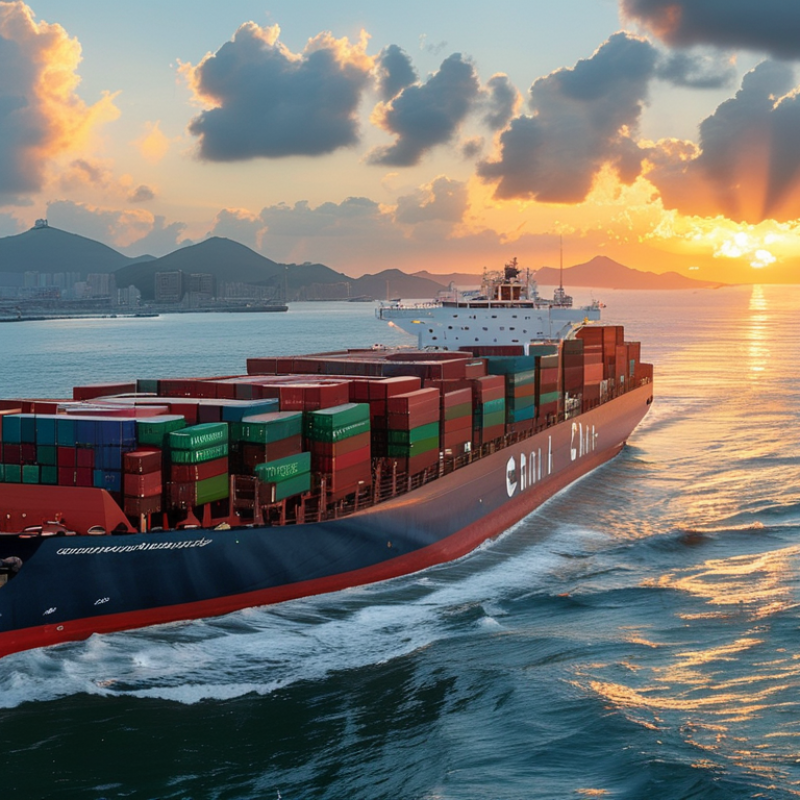
Understanding the Current Landscape of China Sea Freight in Global Sourcing
The current landscape of sea freight in China is complex and rapidly evolving. As global sourcing needs change, businesses must adapt to meet demands. Delays, fluctuating prices, and increasing regulations pose challenges. Companies often face unpredictable transit times due to port congestion and labor shortages. Understanding these dynamics is crucial for effective sourcing strategies.
Navigating the challenges requires a deep understanding of shipping routes and seasonal variations. For example, peak seasons can dramatically increase shipping costs. Importers must account for these fluctuations when budgeting. Collaboration with experienced freight forwarders can provide valuable insights, helping companies make informed decisions.
In addition, there are ongoing shifts in supply chain management. Many businesses are reconsidering their reliance on single-source suppliers. Diversifying supply channels can mitigate risks associated with disruptions. However, this approach also introduces complexities that require careful planning and execution. Balancing reliability and flexibility remains a key concern for companies in this space.
Key Market Trends Influencing Sea Freight Costs in China
In recent years, sea freight costs in the China market have been impacted by several key trends. A notable factor is the fluctuation in global oil prices. When oil prices rise, shipping companies often increase freight rates to cover their costs. This ripple effect reaches businesses that depend on sea freight for importing goods. Companies must monitor oil prices closely to anticipate shifts in their freight expenses.
Another crucial trend is the ongoing digitization of the shipping industry. Advanced technologies are reshaping logistics practices. Real-time tracking systems and data analytics are becoming mainstream. While these innovations can enhance efficiency, they also introduce uncertainty. Smaller firms may struggle to adapt, increasing the competitive gap with larger companies.
Moreover, geopolitical tensions can disrupt trade routes and affect supply chains. As tariffs and trade agreements evolve, companies often face unpredictable costs. Navigating these complexities requires flexibility and strategic foresight. Businesses need to rethink their sourcing strategies regularly. Ignoring these trends can jeopardize profitability and market position. Keeping abreast of industry changes is essential for effective sea freight management.
Strategies for Optimizing Container Utilization in China Sea Freight
Optimizing container utilization in China sea freight is crucial for efficient global sourcing. A well-planned strategy can reduce costs and improve delivery times. One effective method is to implement a dynamic loading plan. This involves adjusting the cargo arrangement based on real-time data. It minimizes wasted space within the containers.
Tips: Consider using software that tracks container dimensions and cargo weight. Regular audits can also reveal patterns in space usage. Make adjustments accordingly to enhance efficiency.
Another approach is to collaborate with suppliers. Sharing container space can lead to better load distribution. Engaging with multiple suppliers allows for flexibility. It also fosters relationships that can enhance negotiation power.
Tips: Build strong communication channels with suppliers. Schedule regular updates to review space requirements. This can lead to more effective planning and resource utilization.
Successful container management requires ongoing assessment. Companies should analyze shipping patterns and costs frequently. Understanding these dynamics can highlight areas for improvement. However, not every strategy will suit every business model. Be open to re-evaluating your approach as market conditions change.
Top Strategies for China Sea Freight in Global Sourcing
Evaluating the Role of Technology in Modern Sea Freight Solutions
In today’s global sourcing landscape, technology plays a crucial role in enhancing sea freight efficiency. Businesses can leverage advanced software for real-time tracking of shipments. This improves visibility and reduces delays. Automated solutions streamline documentation, ensuring compliance with international regulations. However, reliance on technology also carries risks. System glitches can disrupt operations and lead to losses.
Tips: Regularly review your tech stack. Make sure it aligns with your operational needs. Having backup systems in place can mitigate risks effectively.
The integration of artificial intelligence (AI) in sea freight operations can optimize routes and predict shipping times. Data analytics helps companies forecast demand and adjust shipments accordingly. Yet, not all businesses are fully utilizing these innovations. Some still rely on outdated processes, which may lead to inefficiencies.
Tips: Invest in employee training to fully harness technology's potential. Encourage feedback to identify areas needing improvement.
Addressing Environmental Regulations in China Sea Freight Operations
In recent years, environmental regulations have tightened significantly in the realm of sea freight operations. These regulations focus on reducing emissions and enhancing sustainability throughout the supply chain. Adapting to these changes is not an option; it’s a necessity for businesses involved in global sourcing.
To comply with regulations, companies should invest in eco-friendly technologies. This includes cleaner fuel options and better waste management systems. Adopting these technologies can lead to a reduction in operational costs over time. However, initial investments might strain budgets.
Companies need to evaluate long-term benefits versus immediate expenses.
Training staff on environmental policies is essential. Employees must understand the importance of compliance. Yet, many may resist changes due to comfort with existing practices. Regular workshops can bridge this gap. Encouraging feedback will also help refine these processes.
Addressing environmental concerns is an ongoing journey. Progress requires resilience and continuous improvement. The challenge lies not only in compliance but fostering a culture of sustainability.