Top Tips for Choosing Waterproof O-Rings at the 139th Canton Fair?
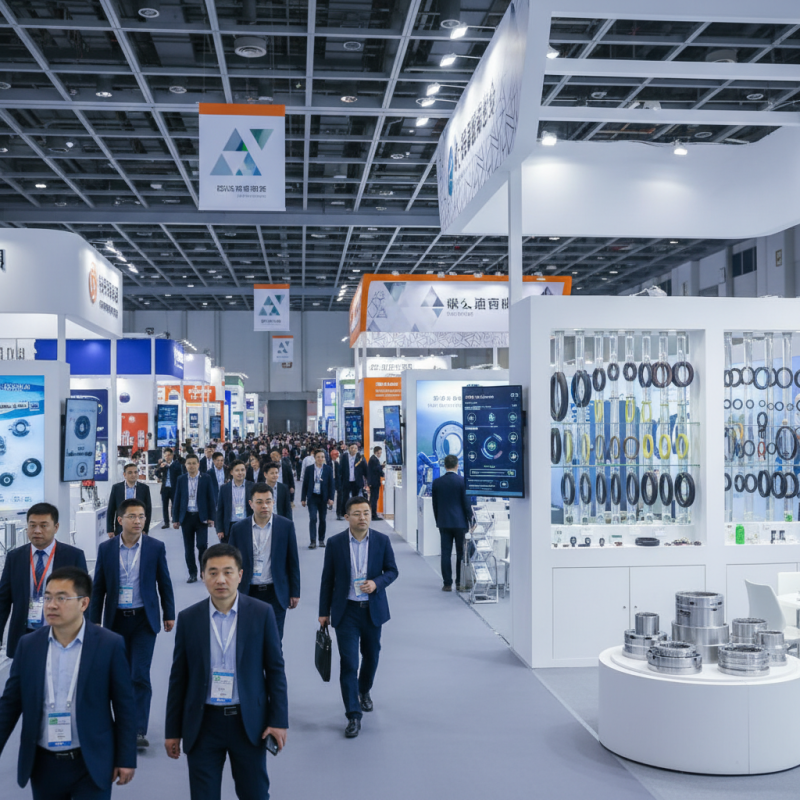
When it comes to sourcing waterproof o-rings, the upcoming 139th Canton Fair is a crucial opportunity. This event, scheduled from April 15 to May 5, 2026, offers a wide array of products, including advanced manufacturing and new materials. If you're in the market for waterproof O-rings, the fair's AI-driven search and navigation features can streamline your experience.
Potential buyers can filter suppliers quickly based on their certifications like ISO and CE. This capability allows for efficient decision-making when choosing the right waterproof o-rings for specific applications. However, consider your unique requirements carefully. The marketplace is vast, and not all suppliers may meet your expectations.
Visiting the extensive 1.55 million square meters of exhibition space can be overwhelming. It’s easy to miss quality products if you don’t plan your route. Be mindful of the need to reflect on what exactly you require from waterproof O-rings. Remember, being informed and prepared can make a significant difference in your procurement journey.
Factors to Consider When Selecting Waterproof O-Rings
When selecting waterproof O-rings, several key factors should be considered to ensure optimal performance. The material of the O-ring is crucial. Different materials offer varying degrees of resistance to water, heat, and chemicals. For instance, silicone and nitrile are common choices. However, each material has its strengths and weaknesses. Evaluate the environment where the O-rings will be used. Are they exposed to high temperatures or harsh chemicals? This reflection can significantly impact the longevity of the O-rings.
Another important factor is the size and fit. O-rings come in various sizes. It’s vital to ensure a proper fit within the assembly. An ill-fitting O-ring can lead to leaks or failures. Measure carefully. Sometimes, taking a chance on size can lead to costly mistakes. Ensure to accommodate different pressures as well—high-pressure applications require specific dimensions.
Tips for choosing the right O-ring include assessing the application thoroughly. Consider factors like pressure, temperature, and fluid compatibility. It might also be wise to consult with suppliers for their recommendations. Many have experience that can guide you. Furthermore, don’t hesitate to request small samples for testing. Practical trials can reveal insights that specifications alone may not provide. Each project can lead to learning, so reflect on these processes regularly.
Materials and Their Impact on Waterproof Performance
Choosing the right materials for O-rings is crucial for waterproof performance. Different materials offer unique advantages. For example, silicone provides flexibility and resilience. It can withstand extreme temperatures, making it ideal for various applications. However, it's not always the best choice for chemicals.
Nitrile rubber is another option. It has excellent resistance to oils and fuels. This makes it popular in automotive applications. Yet, it may not perform well in high-temperature environments. Understanding these material properties is essential.
While many factors influence your choice, testing is vital. Conducting field tests can reveal weaknesses. Some materials may seem ideal but fail in real-world conditions. Always ask for samples. Assess how they perform in specific environments. This step can prevent future issues with leakage or failure. It's important to strike a balance between cost and performance.
Understanding Size and Dimensions for Effective Sealing
When it comes to selecting waterproof O-rings, understanding size and dimensions is crucial. A proper fit ensures an effective seal. Measure the inner diameter and the cross-sectional thickness. These two factors significantly determine the O-ring's performance. Selecting an O-ring that is too large may lead to leaks. Conversely, one that is too small might not seat properly.
Consider the application environment. The temperature, pressure, and exposure to chemicals affect your choice. For example, high-pressure situations may require thicker O-rings. A thinner O-ring could fail under such stress. It is essential to visualize how the O-ring will function in real conditions.
Testing is often overlooked. Run tests to see how the O-rings react under expected conditions.
Sometimes, companies neglect the importance of materials. The right material can enhance resilience against wear. Using a material not suited for specific environments can lead to premature failure. Reflecting on past mistakes can guide future selections. Ensure you evaluate all dimensions and materials before making a decision. Making informed choices can save time and reduce costs.
Common Applications for Waterproof O-Rings in Industry
Waterproof O-rings are crucial in many industries. They provide a reliable seal to prevent leaks in various applications. Common uses include automotive, aerospace, and marine sectors. In these fields, O-rings ensure that machinery operates smoothly, even in harsh conditions. They protect essential components from water and other contaminants.
For automotive applications, O-rings are often used in engines and gearboxes. They help maintain pressure and prevent leaks, which is critical for performance. In aerospace, seals are vital for fuel systems and landing gear. A small failure can lead to severe consequences. Marine industries rely on O-rings to ensure watertight seals in boats and ships. This protects against corrosion and damage.
Choosing the right O-ring can be challenging. Factors like material, size, and hardness must be considered. Not all materials work well with every application. Sometimes, users overlook temperature resistance or chemical compatibility. These oversights can lead to costly repairs. It's essential to assess the specific needs for each application to achieve the best results.
Top Tips for Choosing Waterproof O-Rings at the 139th Canton Fair
| Dimension | Material | Temperature Range | Common Applications |
| 3 mm ID x 2 mm CS | NBR (Nitrile Rubber) | -30°C to +100°C | Automotive Seals |
| 5 mm ID x 3 mm CS | EPDM (Ethylene Propylene Diene Monomer) | -40°C to +120°C | Water Pumps |
| 10 mm ID x 5 mm CS | Viton (Fluoroelastomer) | -15°C to +200°C | Chemical Processing |
| 15 mm ID x 3 mm CS | Silicone | -60°C to +150°C | Food Industry |
How to Validate Quality and Durability at Trade Shows
When selecting waterproof O-rings at trade shows, it's vital to prioritize quality and durability. Start by examining the materials used. Look for options like silicone, which offer excellent resistance to water and temperature changes. Don't hesitate to touch and feel the O-rings. Quality materials should feel robust and have an elasticity that signals durability.
Pay attention to the supplier's credibility. Ask for certifications that confirm their products can withstand harsh environments. A reputable supplier will readily provide documentation. If they hesitate, reconsider the choice.
Test the O-rings right at the booth. Place them in water to see how they perform. This hands-on approach can reveal imperfections in sealing efficiency. Sometimes, trade shows showcase products that look good but fail under pressure. Observe how flexible the O-rings are. A stiff ring may not seal effectively in dynamic applications. Each detail matters when ensuring long-term reliability. Keep these factors in mind, and you can make informed decisions about your waterproof O-ring purchases.
Waterproof O-Rings Quality Assessment at the 139th Canton Fair