Blog

Top 10 Green Waste Facility Suppliers Worldwide

Managing green waste is more complex than moving leaves from one place to another. A modern Green Waste Facility may handle branches, grass, food scraps, and wet seasonal materials. Each stream affects throughput, equipment wear, odor control, and final product quality.

This guide examines the Top 10 Green Waste Facility Suppliers Worldwide through practical industry criteria. These include shredders, grinders, screens, conveyors, composting systems, monitoring tools, and after-sales support. Supplier evaluations should consider verified capacity, energy use, maintenance access, worker safety, and compatibility with local waste conditions. A machine handling dry branches may struggle with wet, compacted material. Small details matter.

The selection also considers documented installations, technical specifications, service networks, and customer references. Independent certification and transparent performance data add credibility. Still, no global list is perfectly objective. Supplier rankings can change with project size, climate, feedstock, budget, and regulatory requirements. A strong provider on paper may perform differently after installation. Site visits, testing, and lifecycle cost reviews remain essential. The guide is useful, but not infallible. Readers should question impressive claims and request evidence before choosing a partner. This balanced approach helps operators identify reliable suppliers for cleaner processing, steadier output, and more resilient waste management operations.

Top 10 Green Waste Facility Suppliers Worldwide

What Green Waste Facilities Do and Why They Matter

Green waste facilities receive leaves, grass, branches, and other biodegradable garden materials. Their work begins at the tipping floor, where staff remove plastic bags, stones, and metal pieces. Shredders reduce bulky branches into manageable chips. Screens then separate oversized pieces from finer organic material. It is tangible work.

Most facilities use controlled composting methods. Operators monitor moisture, oxygen, temperature, and pile structure during decomposition. A healthy windrow may feel warm inside, yet it should not smell sharply sour. Turning equipment adds air and prevents compacted, wet pockets. Finished compost is screened again before use in soil improvement, landscaping, or erosion control.

These facilities matter because they divert organic waste from disposal sites. Decomposing green waste can create unpleasant odors and greenhouse gases when poorly managed. Proper processing returns nutrients to local soil and reduces the need for some synthetic inputs. It also creates useful materials from routine municipal collections.

Reliable suppliers support this work with durable shredders, conveyors, screens, loaders, monitoring tools, and odor-control systems. Equipment must match local rainfall, waste volume, labor skills, and available land. A machine that performs well in a dry region may struggle in a humid climate. Small details matter.

No facility is perfect. Contaminated loads still arrive, and maintenance can interrupt production. That gap matters. Better training, clearer collection rules, and regular equipment inspections often improve results more than expensive machinery alone.

How the Top 10 Suppliers Are Selected and Compared

Selecting the top 10 green waste facility suppliers requires more than reviewing sales brochures. We examine operating experience, engineering depth, safety records, and verified project results across climates. A credible supplier should explain how its systems handle branches, wet grass, leaves, and contamination. We compare intake design, shredding capacity, screening accuracy, odor control, drainage, and energy use. Site references matter. A working facility reveals details that a specification sheet can hide: belt stoppages, muddy access roads, noise, and maintenance time. Interviews with operators add practical evidence, especially when performance data comes from several seasons.

Comparison also includes total ownership cost, not just purchase price. We review installation demands, spare-part availability, training, remote support, and expected service intervals. Suppliers receive stronger consideration when they provide test results, clear warranties, measurable recovery rates, and realistic delivery schedules. Independent inspections and documented commissioning records improve confidence. Still, the ranking is not perfectly objective. Some suppliers publish richer data than others, while local conditions can change results. A system performing well in a dry region may struggle with saturated feedstock and winter freezing. We therefore use consistent questions, comparable operating assumptions, and evidence from real facilities. Even then, gaps remain.

Profiles of the Top 10 Green Waste Facility Suppliers Worldwide

Profiles of the Top 10 Green Waste Facility Suppliers Worldwide

The leading supplier profiles span ten practical capabilities: composting tunnels, in-vessel units, anaerobic digesters, shredders, screens, conveyors, depackaging machines, odor-control systems, digital monitoring, and turnkey engineering. Their experience differs. Some specialize in humid food scraps, while others handle woody pruning waste and contaminated collection loads. UNEP’s Global Waste Management Outlook 2024 estimates municipal waste could rise from 2.3 billion tonnes in 2023 to 3.8 billion tonnes by 2050. This pressure favors suppliers offering modular expansion, measurable emissions control, and stable product quality. The World Bank’s What a Waste 2.0 report also links rising waste volumes with urban growth, supporting demand for regional green-waste facilities.

Supplier performance should be judged by more than equipment capacity. A reliable profile includes verified throughput, power consumption, maintenance response, contamination tolerance, and end-product testing. One supplier may provide excellent shredding, yet perform poorly during wet winter operations. Another may offer smart sensors, but lack local technicians. That weakness matters. Public rankings remain imperfect because contract data and lifetime operating costs are rarely disclosed. Buyers should compare independent acceptance tests, not polished brochures. On-site experience still exposes problems that spreadsheets miss.

Tips: Request twelve months of operating data, including downtime and odor complaints. Check whether replacement parts are locally stocked. Ask for laboratory evidence on compost maturity and contamination. Keep a contingency plan for overloads; seasonal surges are common. A smaller, adaptable system may outperform a larger plant when staffing and feedstock quality fluctuate.

Core Technologies and Services Offered by Leading Suppliers

Top 10 Green Waste Facility Suppliers Worldwide

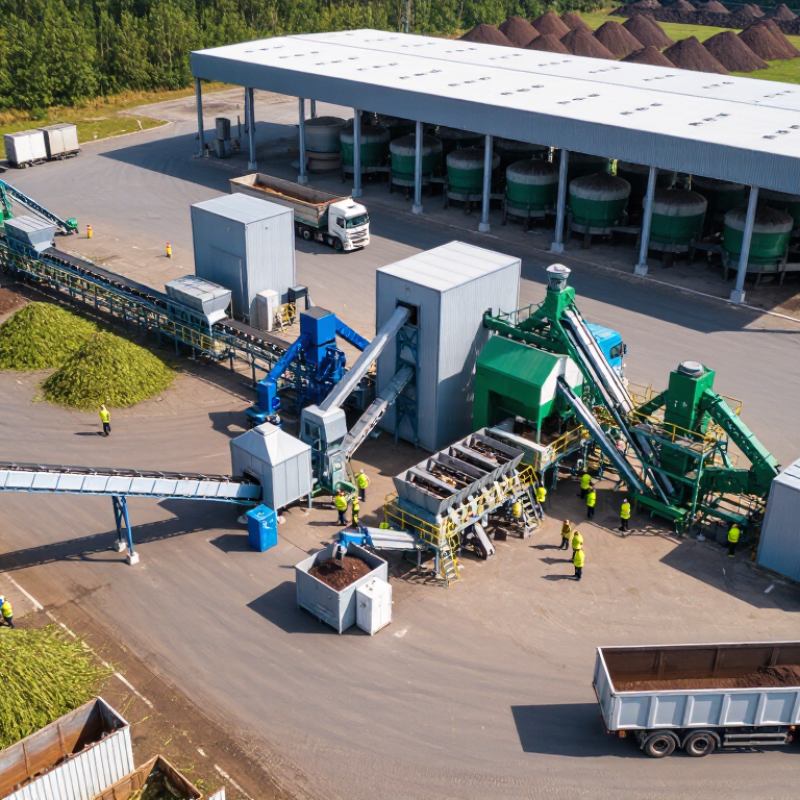
Leading green waste facility suppliers provide more than machinery. They design complete systems for receiving, processing, composting, and material recovery. Their engineers assess daily volumes, moisture levels, contamination rates, and available land before recommending equipment. A practical layout may include reception bays, slow-speed shredders, trommel screens, conveyors, and covered composting areas. Small details matter. A poorly placed drainage channel can disrupt daily operations.

Modern suppliers also offer biological treatment technologies. Aerated static piles use controlled airflow to support steady composting. In-vessel systems provide tighter temperature and odor management where space is limited. Some facilities combine green waste with food residues in anaerobic digestion units. This process can produce biogas and nutrient-rich digestate. However, feedstock balance requires constant monitoring. Too much woody material may slow biological activity.

Services often continue after installation. Suppliers provide commissioning, operator training, preventive maintenance, spare parts, and remote performance monitoring. Sensors can track temperature, oxygen, moisture, and equipment vibration. Data helps technicians identify problems before a conveyor stops. Odor control may involve biofilters, enclosed buildings, misting systems, and negative air pressure. Leachate collection systems protect soil and nearby waterways. Field experience remains essential because local weather changes process behavior. No design is perfect. Some suppliers underestimate seasonal surges or contamination from plastic bags. Reliable providers test assumptions, document operating limits, and adjust the system after observing real site conditions.

Key Factors for Choosing a Green Waste Facility Supplier

Choosing a green waste facility supplier requires more than comparing equipment prices.

The World Bank’s What a Waste 2.0 report estimates 2.01 billion tonnes of municipal waste are generated yearly, with at least 33% unmanaged. This scale makes reliable processing essential.

Evaluate proven throughput, feedstock flexibility, contamination control, and recovery rates.

Ask for operating data from facilities handling wet grass, branches, leaves, and seasonal surges.

Site conditions matter.

Moisture changes daily. So does material size. A capable supplier should explain odor control, leachate management, fire prevention, worker safety, and maintenance access.

UNEP’s Global Waste Management Outlook 2024 projects municipal waste could reach 3.8 billion tonnes by 2050. Therefore, modular capacity and energy efficiency deserve serious attention.

I would not trust a perfect spreadsheet alone. Request site visits, verified performance records, spare-parts plans, and clear response times. Product quality also matters, especially when compost must meet agricultural or landscaping specifications.

Tips:

Build a weighted scorecard before contacting the top ten suppliers. Give lifecycle cost more weight than purchase price. Check sensor accuracy, data ownership, training, and local technical support.

Test samples during wet and dry seasons. A supplier may promise flexibility, yet real performance can weaken under contamination. That uncertainty should remain visible in your evaluation.

Cite: World Bank, What a Waste 2.0 (2018); UNEP, Global Waste Management Outlook 2024.

Recycle

Request a Quote

Fill out the form below and one of our specialists will contact you to discuss your questions and needs.

Start your sustainable waste service today