

Blog
Top 10 County Waste Management Solutions You Should Consider in 2025
As we approach 2025, the importance of effective County Waste management solutions cannot be overstated. With growing populations and increased consumption, counties face mounting challenges in handling waste responsibly and sustainably. The need for innovative approaches to waste management is critical in order to minimize environmental impact while maximizing efficiency. This article explores the top 10 County Waste management solutions that will shape the future of waste handling in our communities.

In this rapidly evolving landscape, it is essential for county officials and residents alike to stay informed about the latest strategies and technologies designed to improve waste management systems. From advanced recycling programs to waste-to-energy initiatives, these solutions not only address the immediate need for efficient waste disposal but also promote long-term sustainability. By considering these top 10 solutions for County Waste management in 2025, counties can pave the way for a cleaner, greener future, ensuring that their waste handling practices are equipped to meet the demands of the coming years.
Innovative Recycling Technologies: Transforming Waste into Resources by 2025
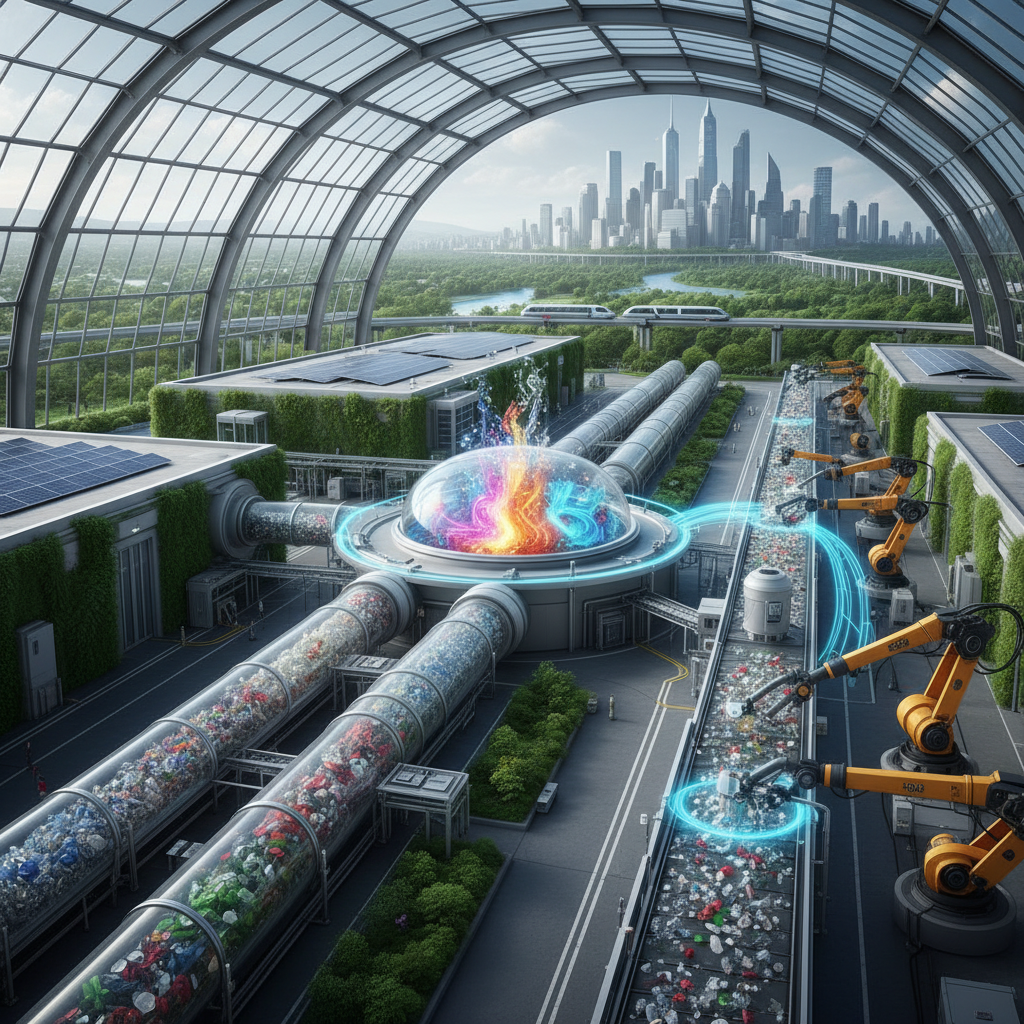
As we move toward 2025, innovative recycling technologies are playing a crucial role in transforming waste into valuable resources. Advanced methods like chemical recycling, which can break down plastics back into their original monomers, are at the forefront of this movement. These technologies not only help reduce landfill waste but also create a closed-loop system where materials can be reused continuously. Moreover, AI and machine learning are being integrated into recycling processes to enhance sorting accuracy and efficiency, ensuring that more recyclable materials are recovered and less waste is generated.
Tip: Encourage your local community to adopt these technologies by organizing awareness programs that highlight their benefits. Partnering with tech companies specializing in waste management can also amplify your efforts in promoting sustainable practices.
In addition to chemical recycling, new biotechnological solutions are emerging. Microorganisms engineered to consume specific types of waste are being developed, enabling the breakdown of organic materials into biofuels or other usable products. This not only facilitates waste management but also contributes to the creation of clean energy sources, making it an exciting area to watch.
Tip: Consider how businesses can collaborate with innovators in the biowaste sector to develop tailored solutions for local waste issues, fostering both environmental sustainability and economic growth.
Implementing Smart Waste Management Systems: The Role of IoT in County Solutions
The integration of Internet of Things (IoT) technology into waste management systems is poised to revolutionize how counties address their waste disposal challenges in 2025. By employing smart sensors and connected devices, counties can monitor waste levels in real-time, optimizing collection routes and schedules. This not only reduces operational costs but also minimizes the environmental impact of waste collection trucks, resulting in a more efficient and sustainable waste management process.
Moreover, IoT-enabled waste management solutions facilitate better data collection and analysis. Counties can track trends in waste generation, identify peak disposal times, and tailor their services to meet the needs of their communities. This data-driven approach empowers local governments to make informed decisions regarding recycling initiatives and public engagement strategies. As counties adopt these advanced systems, they will enhance overall waste management efficiency, reduce landfill reliance, and promote a cleaner environment for residents.
Optimizing Collection Routes with AI: Reducing Costs and Emissions
As countries continue to seek efficient waste management solutions, optimizing collection routes has emerged as a critical focus area. The integration of AI into waste collection processes not only streamlines operations but also significantly reduces costs and carbon emissions. By utilizing advanced algorithms and machine learning, cities can analyze traffic patterns, optimize routes, and schedule pickups more effectively, resulting in lowered fuel consumption and pollution levels.
In conjunction with these advancements, the rapidly growing global logistics management software market highlights the importance of adopting AI for sustainability. With an anticipated market size surge from $283 million in 2025 to $732.1 million by 2032, the logistics sector is poised for transformative changes powered by digitalization and AI integration. Such technologies empower organizations to make data-driven decisions that enhance operational efficiency while promoting a greener environment, ultimately contributing to a more sustainable future for waste management and beyond.
Community Engagement Strategies: Driving Participation in Waste Reduction Initiatives
Community engagement is vital for driving participation in waste reduction initiatives, especially as we look toward 2025. Innovative strategies can be adopted to encourage local involvement through events that resonate with diverse audiences. For instance, celebrations around Earth Day provide an excellent opportunity to launch eco-friendly initiatives that not only captivate but also educate community members on sustainable practices. Exclusive discounts or initiatives that highlight waste reduction and conservation can help foster a sense of collective responsibility, transforming individual actions into a community-wide movement.
Moreover, integrating stakeholder involvement can enhance the effectiveness of these initiatives. Employers, educators, and local organizations can collaboratively develop programs that address pressing environmental issues by prioritizing communication and inclusivity. Utilizing approaches from stakeholder theory, which emphasizes the importance of involving all community members in sustainability efforts, can lead to more comprehensive and impactful outcomes. This collective action is essential, as we work together toward a future free of plastic pollution and other environmental challenges, ensuring that every voice contributes to the solution.
Circular Economy Practices: Enhancing Sustainability in County Operations by 2025
The concept of a circular economy is gaining traction as counties strive to enhance sustainability in their operations by 2025. Implementing circular economy practices allows local governments to minimize waste while maximizing resource efficiency. By focusing on reusing materials, recycling, and recovering energy, counties can transform traditional waste management into a proactive model that aligns with environmental goals. This shift not only reduces landfill dependency but also lowers operational costs in the long run.
Moreover, integrating circular economy principles into county waste management solutions fosters community engagement and innovation. Educating citizens about the importance of reducing, reusing, and recycling can encourage responsible behaviors and create a culture of sustainability. Collaborating with local businesses and organizations can also lead to innovative recycling programs and resource-sharing initiatives. As counties explore these new opportunities, they position themselves not only as leaders in waste management but also as champions of sustainability, paving the way for a greener future.
Top 10 County Waste Management Solutions You Should Consider in 2025
| Waste Management Solution | Description | Benefits | Expected Impact by 2025 |
|---|---|---|---|
| Automated Waste Collection | Use of robotics and sensors to optimize waste collection routes. | Increases efficiency, reduces fuel consumption. | 15% decrease in operational costs. |
| Waste-to-Energy Facilities | Converting waste materials into usable heat, electricity, or fuel. | Reduces landfill use, creates renewable energy. | Generate 10% of county energy needs from waste. |
| Composting Programs | Turning organic waste into compost for agriculture. | Reduces landfill waste, enriches soil. | Reduction of organic waste by 25%. |
| Recycling Initiatives | Enhanced community recycling programs and awareness. | Increases recycling rates, reduces waste production. | Recycling rates increase by 30%. |
| Digital Waste Tracking | Utilizing applications and platforms to track waste generation and disposal. | Better data collection, increased accountability. | More informed waste management decisions. |
| Advanced Landfill Technologies | Implementing technologies for better landfill management. | Reduces leachate and methane emissions. | Improved environmental compliance. |
| E-Waste Management | Collection and recycling of electronic waste. | Prevents toxic materials from landfills. | Proper disposal of 70% of e-waste. |
| Zero-Waste Initiatives | Strategies aimed at reducing waste to zero. | Promotes a culture of sustainability. | Achieve 90% waste diversion. |
| Public Education Campaigns | Programs to educate the community on waste management. | Increases public participation. | Higher engagement in recycling programs. |
Related Posts
-
Leading Garbage Pickup Solutions from a Top Exporting Manufacturer Worldwide
-

Maximizing Global Business Opportunities at the 137th Canton Fair with County Waste Solutions
-
Top 10 Garbage Removal Manufacturers from China at the 137th Canton Fair
-
Elevating Global Standards with China's Best Green Waste Facility Solutions
-
Global Certification Secrets for the Top 10 Best Waste and Recycling Solutions in 2023
-
Selecting the Top Manufacturer for Your Best Trash Removal Service Needs
Request a Quote
Fill out the form below and one of our specialists will contact you to discuss your questions and needs.