
Blog

China Top Nitrate Based Fertilizer Suppliers?

China is an important sourcing market for agricultural inputs, including Nitrate Based Fertilizer. Yet “top supplier” can mean different things: dependable product quality, suitable formulations, responsive technical support, or reliable delivery. A large factory is not automatically the right partner. Buyers should match a supplier’s products and capabilities to their crops, soil conditions, application methods, and purchasing needs.

Details matter. Ask for current product specifications, batch test reports, packaging options, and clear guidance on storage and handling. Check whether the supplier can explain nitrogen content, nitrate form, solubility, and any relevant formulation differences in plain terms. Request samples where practical, and compare documentation with independent testing when the order size or application requires it. Look closely at export experience, communication speed, production capacity, and shipment planning. A neat catalogue is only a starting point.

There is no single ranking that fits every buyer. Supplier claims, certifications, and production figures should be verified directly and assessed against the destination market’s requirements. References from comparable customers can help, but they are not a substitute for checking the actual product and terms. Even a capable supplier may face seasonal delays or specification changes; that risk deserves a direct conversation. The aim is not to find the loudest name, but a transparent partner whose quality controls, records, and delivery commitments can be confirmed before purchase.
China Top Nitrate Based Fertilizer Suppliers?

What Are Nitrate-Based Fertilizers and How Are They Used?

Nitrate-based fertilizers provide nitrogen in nitrate form, which plant roots can absorb quickly. Common examples include calcium nitrate, potassium nitrate, and ammonium nitrate. Some products also supply calcium or potassium, so growers should check the nutrient label rather than assume every formulation is alike.

These fertilizers are used in field crops, greenhouses, and orchards. Growers may apply them through irrigation systems or place them near actively growing roots. Nitrate can move easily with water, however, so heavy rain or overwatering may carry nutrients below the root zone. That loss can reduce crop uptake. It is worth remembering that real fields rarely match a perfect schedule.

Tips: Test soil or irrigation water before choosing a rate. Apply smaller amounts during active growth, and follow the product label. Keep fertilizer away from leaves when the formulation is not intended for foliar use. Store products dry and secure, and use suitable protective equipment. A simple record of application dates can help explain uneven growth later.

The right choice depends on crop needs, soil conditions, and local water quality. For example, calcium nitrate may suit crops with additional calcium requirements, while other formulations serve different nutrient plans. Avoid applying more than the crop can use. Careful timing matters as much as the fertilizer itself.

How China’s Nitrate Fertilizer Industry Is Organized

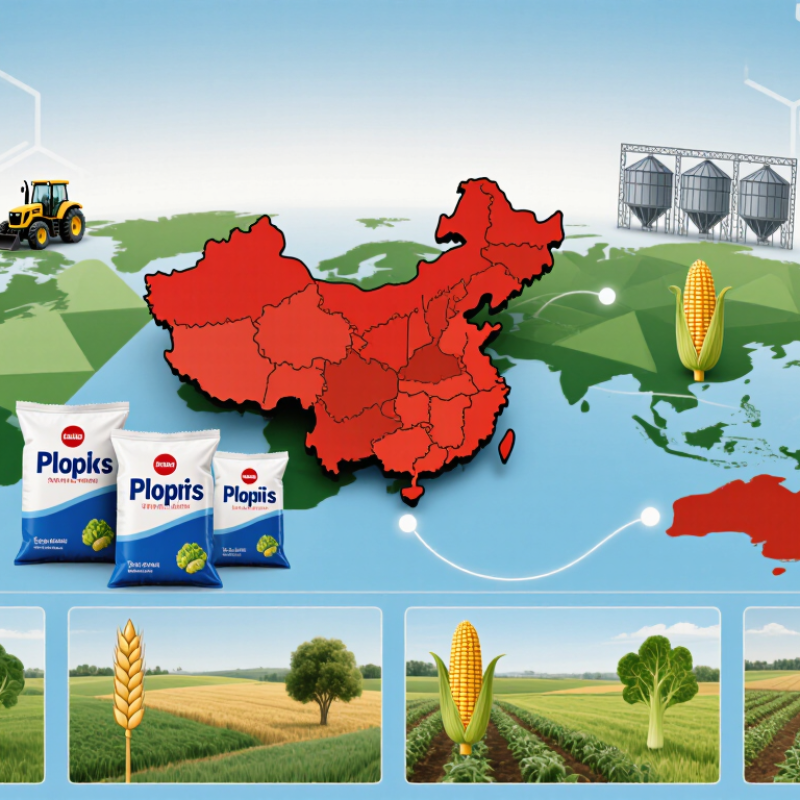
China’s nitrate fertilizer industry is better understood as a network than a single supplier list. Producers often operate near chemical feedstocks, energy infrastructure, ports, or major farming regions. Some make nitrogen intermediates; others turn them into ammonium nitrate, calcium ammonium nitrate, or compound fertilizers. Product mix depends on plant equipment and local demand. Not quite uniform.

Upstream operations supply ammonia and nitric acid, while specialized plants handle granulation, blending, and packaging. Industrial parks may connect several steps and reduce transport between facilities. Regional distributors then move packaged products to agricultural dealers and cooperatives. Supply chains can also involve storage terminals and quality-testing labs. The map is not perfectly neat: weather, maintenance, and freight capacity can shift delivery schedules.

For buyers, supplier assessment should start with product specifications, not claims about scale. Check nutrient content, physical form, moisture limits, batch documents, and suitability for the intended crop and soil. Ask how the supplier manages traceability and consistent granule size. These details matter in a spreader. Export availability varies by product and season, so a published catalog alone may not confirm current capacity. Verification takes time. Some buyers overlook that step.

China Top Nitrate Based Fertilizer Suppliers? - How China’s Nitrate Fertilizer Industry Is Organized

Industry Segment Typical Nitrate-Based Products Typical Nutrient Content Role in the Supply Chain Key Characteristics
Integrated nitrogen fertilizer producers Ammonium nitrate and nitrate-containing compound fertilizers Ammonium nitrate commonly contains about 34% nitrogen; specifications vary by product Convert ammonia and nitric acid into nitrogen fertilizers and supply bulk or downstream fertilizer markets Production and distribution are subject to strict safety controls because ammonium nitrate presents significant storage, handling, and transport risks
Calcium ammonium nitrate manufacturers Calcium ammonium nitrate (CAN) Commercial grades commonly contain about 26–27% nitrogen Supply granular nitrogen fertilizer for agricultural use, often through distributors and regional dealers Typically made by combining ammonium nitrate with limestone or dolomitic material; exact nutrient and additive specifications differ by grade
Specialty fertilizer manufacturers Potassium nitrate Common fertilizer grade is approximately 13% nitrogen and 46% K₂O Serve high-value crops, fertigation, greenhouse production, and other applications requiring both nitrate nitrogen and potassium Usually marketed as a water-soluble specialty fertilizer; product specifications and packaging depend on the intended application
Nitrate salt producers and processors Sodium nitrate and other nitrate-containing fertilizer materials Sodium nitrate commonly contains about 16% nitrogen Supply nitrate products to fertilizer blenders and selected agricultural or industrial markets Use and marketability depend on product grade, crop requirements, local regulations, and the suitability of sodium-containing inputs for the soil
Compound fertilizer producers Nitrate-containing NPK and mixed fertilizers Varies by declared N–P₂O₅–K₂O grade Blend or granulate nitrogen, phosphate, and potash inputs into crop- or region-specific formulations There is no single standard nutrient analysis; the guaranteed grade on the product label is the relevant specification
Distributors and agricultural input dealers Bagged or bulk nitrate fertilizers from domestic and imported supply channels Depends on the fertilizer product handled Connect producers and importers with wholesalers, cooperatives, farms, and commercial growers Provide regional warehousing, order consolidation, logistics, and product availability; they are part of the supply chain rather than necessarily the manufacturers
Reading the supplier landscape: China’s nitrate fertilizer supply chain includes producers, specialist manufacturers, compound fertilizer blenders, and distributors. The categories above describe industry roles rather than a company ranking. Nutrient figures are typical commercial values; always confirm the guaranteed analysis and applicable product documentation for a specific grade.

Major Nitrate-Based Fertilizer Suppliers in China

China’s nitrate-based fertilizer supply base includes chemical manufacturers, integrated fertilizer plants, and regional distributors. Many supply calcium nitrate, potassium nitrate, or nitrate-containing compound fertilizers. The right supplier depends on crop needs, delivery location, and required product grade. There is no single reliable ranking: production capacity and export experience can change, and public listings do not always reflect current availability.

Major suppliers are best compared by product consistency, documentation, and logistics rather than price alone. Ask for a recent certificate of analysis and check nitrogen content, moisture, granule size, and packaging condition. For example, a 25-kilogram bag should arrive dry, sealed, and clearly labeled. Confirm whether the quoted specification applies to the exact grade being shipped. Small details matter. A low quote is less useful if the product varies between batches or delivery dates remain uncertain. Supplier information can be incomplete, so independent checks are sensible.

Tips: Request a sample and written specifications before placing a large order. Verify factory capacity, export arrangements, and delivery terms. Keep records of batch numbers and test results. One caution: a sample may not represent every future shipment, so periodic checks still matter.

Key Products and Agricultural Applications

China’s nitrate-based fertilizer range commonly includes ammonium nitrate, calcium ammonium nitrate, and potassium nitrate. Their nutrient profiles differ. Ammonium nitrate supplies both nitrate and ammonium nitrogen, supporting rapid crop uptake. Calcium ammonium nitrate also provides calcium, while potassium nitrate delivers nitrogen and potassium in a water-soluble form.

Applications should match crop stage and soil conditions. Growers may use calcium ammonium nitrate on cereals and vegetables where nitrogen is needed during active growth. Potassium nitrate suits fertigation and crops with substantial potassium demand, such as tomatoes and fruit crops. It dissolves readily. That helps with drip systems. But nitrate can move below roots after heavy rain or over-irrigation, so split applications and careful water management matter.

Scale also shapes supplier choices. FAO’s World Fertilizer Trends and Outlook to 2022 projected global demand for nitrogen, phosphate, and potash nutrients at 200.5 million tonnes in 2022. IFA’s Medium-Term Fertilizer Outlook 2024–2028 estimated global fertilizer consumption at about 205 million tonnes of nutrients in 2023/24. These figures cover all major fertilizer types, not nitrate products alone. A useful comparison should therefore check nutrient analysis, solubility, granule consistency, and crop-specific guidance. Some buying guides overlook irrigation quality. That can be a costly gap.

China’s Nitrate-Based Fertilizers: Key Products and Agricultural Applications

Typical nitrogen content of widely used nitrate-based fertilizer grades

Ammonium nitrate and calcium ammonium nitrate provide concentrated nitrogen for field crops. Calcium nitrate is commonly used in fertigation and for crops needing readily available calcium, while potassium nitrate supplies both nitrate nitrogen and potassium and is widely used in horticulture. Values shown are typical commercial grades; product specifications can vary.

How to Compare Suppliers, Quality, and Compliance

Comparing China’s nitrate-based fertilizer suppliers starts with the product specification, not the quotation. Check nitrogen content, nitrate-to-ammonium ratio, moisture, particle size, and any limits for chloride or trace metals. Ask for a batch-specific certificate of analysis, then compare it with an independent laboratory test. A clean sample matters. So does consistency across shipments. IFA’s 2024 Medium-Term Fertilizer Outlook projects global fertilizer demand to reach about 202 million tonnes of nutrients by 2028, underscoring why dependable supply and clear specifications matter. That figure covers fertilizers broadly, not nitrate products alone.

Compliance needs the same close review. Confirm that the product meets the applicable Chinese standard and the importing market’s current requirements for composition, labeling, safety data sheets, and packaging. Request traceable batch numbers and test methods, rather than accepting a generic certificate. Check whether documents match the actual product grade and shipment. Paperwork can look perfect. It is not proof by itself. Ask how the supplier handles out-of-spec batches, storage damage, and changes in raw materials. I would also compare delivery records and response times; price alone can hide a costly delay. No checklist removes every risk, but specific questions make comparisons more reliable.

Recycle

Request a Quote

Fill out the form below and one of our specialists will contact you to discuss your questions and needs.

Start your sustainable waste service today