
Blog

Top 10 Residential Garbage Pickup Services Worldwide

Residential Garbage Pickup has become a visible test of urban reliability. A missed collection can leave overflowing bins, unpleasant odors, and blocked sidewalks. A well-run service feels quieter: trucks arrive on schedule, containers are emptied safely, and streets remain usable.

The World Bank’s What a Waste 2.0 report estimated 2.01 billion tonnes of municipal solid waste annually worldwide. It projected nearly 3.40 billion tonnes by 2050 without stronger action. UNEP’s Global Waste Management Outlook 2024 also warned that municipal waste could reach 3.8 billion tonnes by 2050. These figures make dependable Residential Garbage Pickup more than a household convenience. It supports public health, neighborhood appearance, and resource recovery.

“There is no such thing as waste; there are only resources in the wrong place,” says Professor Nickolas Themelis, a respected waste-management researcher associated with Columbia University. His point remains practical. A food bin, recycling container, or bulky-item collection needs the right route, vehicle, and processing facility.

This ranking examines ten leading services worldwide through service coverage, collection frequency, digital tracking, sustainability, pricing clarity, and customer experience. It also considers local realities. A model that works in a dense European city may struggle in a remote community.

The comparison is not perfect. Public data differs between countries, and service claims are not always measured equally. That matters. Readers should check local contracts, accepted materials, holiday schedules, and extra-fee policies before choosing a provider. Small details often decide whether a service works well.
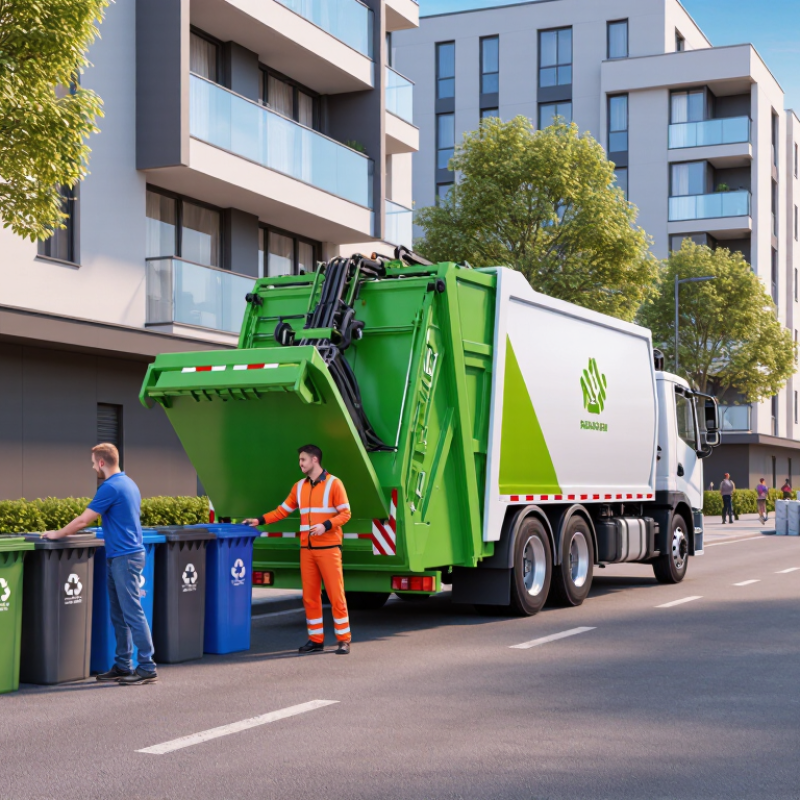
Top 10 Residential Garbage Pickup Services Worldwide

Global Scope of Residential Garbage Pickup Services

Top 10 Residential Garbage Pickup Services Worldwide

Global Scope of Residential Garbage Pickup Services

Residential garbage pickup is a daily public service, but its global design varies sharply. Dense cities often use sealed bins, scheduled curbside collection, and digital route monitoring. Rural communities may depend on shared collection points and longer vehicle journeys. Local income, road access, housing density, and climate shape each model.

The World Bank’s What a Waste 2.0 report estimated 2.01 billion tonnes of municipal solid waste annually in 2016. It projected this figure could reach 3.40 billion tonnes by 2050. The report also found that roughly one-third of waste was not safely managed. These figures make reliable household pickup more than a convenience. It becomes basic infrastructure.

UNEP’s Global Waste Management Outlook 2024 estimated 2.3 billion tonnes of municipal waste in 2023. Without stronger action, the volume could approach 3.8 billion tonnes by 2050. Collection services therefore need flexible routes, worker safety controls, and clear separation rules. Food waste needs frequent pickup in hot climates. Paper and packaging require dry storage. Small details matter.

Service quality should be measured through missed-collection rates, response time, coverage, and complaint records. GPS tracking can improve accountability, but technology cannot fix weak local planning. Data remains uneven across countries. That is a serious limitation. A successful international comparison must examine affordability, access, emissions, and actual household experience, not rankings alone.

Criteria for Selecting and Ranking the Top 10 Services

Ranking the top 10 residential garbage pickup services worldwide requires more than comparing prices. A credible review should examine service coverage, collection frequency, accepted waste types, and missed-pickup records. It should also verify licensing, worker safety practices, and compliance with local waste regulations. A service collecting bins every Tuesday is less useful if it regularly arrives late or leaves containers damaged.

Reliability deserves measurable evidence. Useful indicators include response times, complaint resolution, billing clarity, and availability of support in local languages. Environmental performance also matters. Reviewers should check recycling procedures, vehicle emissions, landfill policies, and published diversion data. Customer feedback can reveal practical details, such as overflowing bins after holiday weekends or unclear rules for bulky household items. However, online reviews may be incomplete or emotionally biased. No ranking is perfectly objective.

Tips: Compare the full annual cost, not only the advertised monthly fee. Confirm holiday schedules and extra-bin charges before choosing. Ask whether collection changes during storms or extreme heat. Check independent municipal records where available. Rural coverage may be weaker, and global comparisons can unfairly favor services with better public reporting. A transparent scoring system should explain each category and update results when prices, routes, or regulations change. Small details matter.

Top 10 Residential Garbage Pickup Services Worldwide - Criteria for Selecting and Ranking the Top 10 Services

Ranking methodology: weighted score based on collection reliability (20%), recycling and organics provision (20%), service coverage (15%), accessibility and customer support (15%), bulky-waste convenience (10%), digital service access (10%), and lower-emission operations (10%). Values represent comparable residential-service benchmarks; prices and local rules vary by municipality.
Rank Anonymized Service Profile Primary Region Residual Waste Collection Organics Collection Recycling Streams at Home Bulky-Waste Access Digital Service Access Published Reliability Target Lower-Emission Measures Overall Score / 100
1 Integrated Circular-Collection Model Northern Europe Weekly or fortnightly, based on bin size Weekly Usually 4–6 streams, including paper, glass, metal and packaging Online booking plus scheduled neighborhood collection Mobile app, web portal, SMS alerts and service calendar At least 95% of scheduled collections completed on time Compressed natural gas, electric vehicles and route optimization 94
2 High-Frequency Metropolitan Separation Model East Asia Daily or 3–6 times per week in dense districts Several times per week where food-waste separation is mandatory Typically 4–7 streams, with strong packaging separation 预约-based booking or hotline request; fees may apply Web booking, QR-enabled information and multilingual notices At least 94% of scheduled collections completed on time Electric collection vehicles and compact transfer stations 92
3 Pay-as-You-Throw Resource-Recovery Model Central Europe Weekly or fortnightly, with variable-bin charging Weekly, commonly using a separate brown or green container Usually 4–6 streams, supported by neighborhood drop-off points Pre-booked collection, civic amenity sites and reuse channels Online calendars, missed-collection forms and payment portals At least 93% of scheduled collections completed on time Low-emission fleets and optimized collection rounds 90
4 Extended Producer-Responsibility Collection Model Western Europe Weekly or fortnightly, depending on housing type Weekly or fortnightly in participating districts Usually 3–5 streams, with separate packaging and paper systems Scheduled curbside pickup and designated drop-off centers Web portal, collection-day reminders and digital complaint tracking At least 92% of scheduled collections completed on time Biogas, electric and hybrid vehicles in larger service areas 88
5 Universal Municipal Coverage Model Oceania Weekly residual waste and fortnightly recycling in many districts Weekly or fortnightly where a green-waste program is available Usually 2–4 streams at the kerbside, plus drop-off facilities Regular booked events and on-demand collection for eligible items Online service requests, bin-day calendars and email updates At least 91% of scheduled collections completed on time Electric trials, biodiesel blends and landfill-gas recovery 86
6 Dense-Urban Contracted Collection Model North America One to three times per week, often determined by district Weekly or fortnightly in participating municipalities Usually 2–4 streams, with additional depot-based options Appointment-based pickup, often with limits on quantity and size Web forms, mobile notifications and customer-service hotlines At least 90% of scheduled collections completed on time Compressed natural gas, hybrid fleets and anti-idling policies 84
7 Regional Cooperative Collection Model Nordic and Baltic Europe Weekly or fortnightly, with longer intervals in rural areas Weekly or fortnightly, depending on seasonal demand Usually 3–6 streams through kerbside and staffed depots Shared municipal booking system and periodic collection days Digital calendars, online forms and telephone support At least 89% of scheduled collections completed on time Biofuel fleets, shared depots and reduced transport distances 82
8 Large-Municipality Dual-Bin Model East and Southern Africa One to three times per week in formal residential areas Limited weekly programs, mainly in pilot or higher-income districts Usually 1–3 streams, supplemented by buy-back and drop-off centers Pre-arranged pickup or transfer-station delivery Telephone, web forms and selected mobile-payment channels At least 86% of scheduled collections completed on time Route consolidation, transfer stations and landfill methane projects 79
9 Universal Urban Sanitation Model South Asia Daily or several times per week in major urban zones Daily or several times per week in source-segregation programs Usually 2–4 streams, with informal recovery networks in some areas Ward-level booking, community collection points or paid pickup Mobile apps, helplines and municipal grievance portals At least 84% of scheduled collections completed on time Electric three-wheelers, compressed natural gas and route planning 77
10 Emerging Source-Separation Service Model Latin America Two to six times per week, varying by neighborhood density Weekly or pilot-based in selected municipalities Usually 2–4 streams, with community and cooperative recovery systems On-demand pickup, neighborhood collection days or transfer stations Telephone support, municipal apps and social-channel notices At least 82% of scheduled collections completed on time Compressed natural gas, electric pilot fleets and optimized routing 75

Profiles of the Top 10 Residential Garbage Pickup Services Worldwide

Residential garbage pickup varies widely across the world, shaped by housing density, climate, and local recycling rules. The leading services usually combine scheduled collection, clear sorting guidance, and responsive customer support.

Their profiles include municipal curbside teams in North America, apartment-focused operators in Europe, neighborhood collection networks in Asia, and private contractors serving Australian suburbs.

Other strong models appear in Latin American cities, Gulf communities, African urban districts, island regions, and rural areas with flexible routes.

The best services offer sealed bins, predictable pickup windows, and clear instructions for food waste, recyclables, and bulky items. Some use route-tracking apps, while others rely on text alerts or printed calendars.

In my experience, reliability matters more than polished technology. A missed pickup can leave leaking bags beside a warm driveway. Yet performance is not always consistent. Weather, traffic, and staffing shortages still expose weaknesses, even in highly organized systems. Public reporting and independent service reviews can reveal those gaps.

Tips: Check collection days before signing up. Measure the bin space near your home. Ask about holiday delays, extra bags, and oversized items. Keep lids closed during rain and hot weather. Photograph damaged bins when reporting problems. Do not assume every “green” claim reflects verified recycling practices; request practical details about sorting and final processing.

Collection Methods, Coverage Areas, and Pricing Models

Top 10 Residential Garbage Pickup Services Worldwide

Collection Methods, Coverage Areas, and Pricing Models

The top ten residential garbage pickup services differ sharply by location and household needs. Most offer curbside collection, where residents place sealed bins outside on scheduled mornings. Dense cities may use communal containers, underground units, or narrow-lane hand collection. Some areas provide automated trucks with mechanical arms. Others still depend on crews lifting bins manually. Collection frequency often ranges from weekly to three times per week.

Coverage usually includes urban neighborhoods, suburban streets, and selected rural routes. Remote homes may receive less frequent service or use transfer points. Many programs separate food scraps, recyclables, yard waste, and general refuse. Bulky-item collection is often available by appointment. It may carry an extra charge. Missed pickups can result from blocked access, unsafe weather, or contaminated materials. Clear labels help, but labels are not magic.

Pricing models vary widely. A flat monthly fee offers predictable budgeting and often supports unlimited standard bins. Per-bin pricing can suit smaller households, while weight-based billing rewards waste reduction. Pay-as-you-throw programs charge for oversized or extra containers. Apartment residents may pay through building management, hiding the real service cost. Rural customers often face travel surcharges. Commercial-style contracts may also influence large residential complexes.

A reliable comparison should check collection days, accepted materials, holiday changes, and complaint response times. Public schedules are useful, yet they can become outdated. I would not rank a service by price alone. A cheap plan with narrow coverage may create practical problems. The best choice depends on access, household size, local rules, and waste volume. There is no perfect model.

Environmental Practices, Customer Experience, and Innovation

Top 10 Residential Garbage Pickup Services Worldwide

A strong global ranking should examine more than collection frequency. It should assess environmental practices, customer experience, and practical innovation. Field observations matter. A quiet truck arriving at 7 a.m. shows reliability better than polished advertising.

Leading services reduce emissions through route optimization, low-emission fleets, and well-planned maintenance. Some use electric or alternative-fuel vehicles where local infrastructure supports them. However, cleaner vehicles are not automatically sustainable. Electricity sources, battery production, and replacement costs also deserve scrutiny. Waste separation remains important. Clear bin labels and contamination checks can improve recovery rates, though household habits remain inconsistent.

Customer experience depends on small details. Residents need accurate pickup windows, accessible support, and quick solutions for missed collections. Useful notifications should explain delays instead of sending vague automated messages. Collection crews also need safe working conditions and realistic routes. That human factor is often overlooked.

Innovation can include fill-level sensors, dynamic routing, and digital reporting tools. These systems may reduce unnecessary trips and overflowing containers. Yet technology can fail during storms, network outages, or equipment shortages. Services should provide simple alternatives, such as phone support and visible schedule notices. Transparent performance data strengthens public trust. Useful measures include complaint response time, missed-pickup rates, fuel use, and recovered material volumes. No service performs perfectly everywhere. Local housing density, weather, road design, and disposal infrastructure can change results dramatically.

Recycle

Request a Quote

Fill out the form below and one of our specialists will contact you to discuss your questions and needs.

Start your sustainable waste service today