Blog
Why Is Waste Pickup Important for Global Buyers?
For global buyers, Waste Pickup is more than a routine logistics service. It protects product quality, workplace safety, and supply chain continuity. When discarded packaging, damaged goods, or production leftovers remain near loading areas, they can attract pests, create odors, and slow warehouse operations. A reliable pickup partner removes these pressures through planned collections and clear handling procedures.
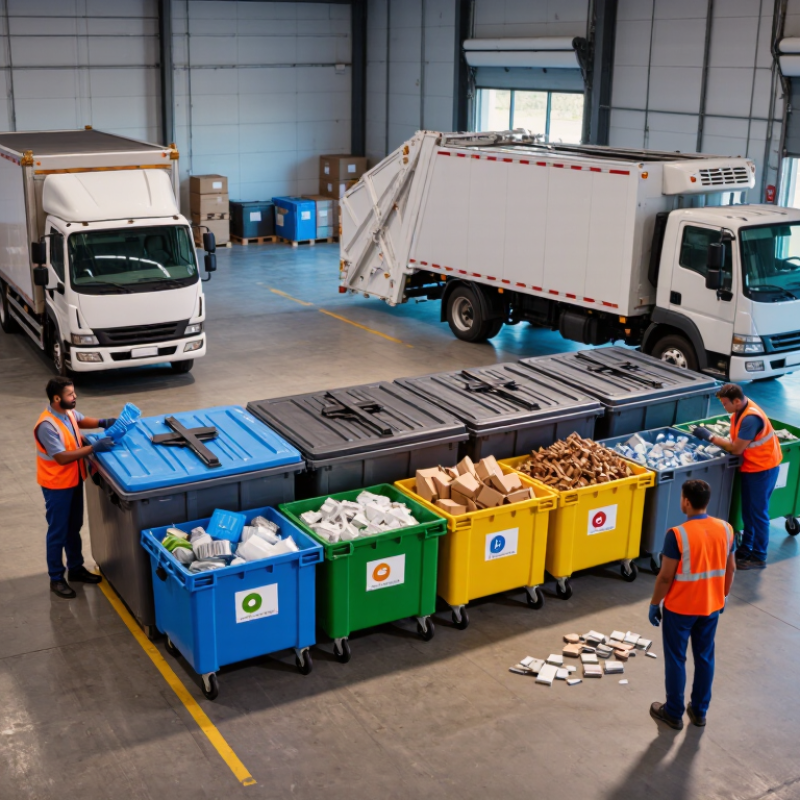
Tom Szaky, founder of TerraCycle and a recognized waste-recovery entrepreneur, has said, “Waste is a resource in the wrong place.” This idea matters to international buyers. Waste Pickup providers can separate cardboard, plastics, metals, organic materials, and general waste at the source. A clean sorting area may show only labeled bins, sealed containers, and a simple collection schedule. Those details often reveal operational discipline.
Reliable service also requires evidence. Buyers should review collection frequency, vehicle capacity, staff training, material destinations, and reporting methods. Photos, weight records, service logs, and recycling certificates can make supplier claims easier to evaluate. Regional conditions may change, so one pickup plan cannot fit every market. That is an important limitation.
No system is perfect. Missed collections happen. Contamination happens too. Strong providers respond quickly, explain the cause, and improve the process. Global buyers need more than low prices. They need predictable pickups, responsible material handling, and communication that works across time zones. In this context, Waste Pickup becomes a practical part of procurement risk management, not merely a cleaning expense.
Define Waste Pickup as the Logistics Link in Global Procurement
Why Is Waste Pickup Important for Global Buyers?
Waste pickup is the logistics link in global procurement. It connects purchased goods with their leftover packaging, damaged pallets, and production residues. Without this link, warehouses can become crowded and less productive. A reliable pickup plan also protects receiving areas from blocked aisles, loose straps, and unstable cartons.
In practical warehouse operations, pickup details should match procurement schedules. Teams need clear collection windows, accurate waste descriptions, estimated weights, and loading instructions. Photos can help confirm pallet condition before a vehicle arrives. Documentation matters too. Records should identify quantities, dates, handling requirements, and approved destinations. Local rules may differ across countries, so procurement teams should verify requirements with qualified logistics and environmental professionals. A small labeling error can delay collection. This happens more often than expected.
Tips: Add waste pickup terms to purchase contracts and supplier instructions. Ask who pays for collection, who provides containers, and who accepts the material. Keep a simple pickup log with photos and signed records. Review missed collections monthly. The process will not always be perfect. A scheduled truck may arrive early, or the actual volume may exceed the estimate. Flexible time slots and backup arrangements can reduce disruption. Clear communication between buyers, warehouse staff, carriers, and receiving facilities keeps this reverse logistics link dependable.
Measure the Scale: 2.01 Billion Tonnes of Waste Generated in 2016
Why Is Waste Pickup Important for Global Buyers?
In 2016, the world generated 2.01 billion tonnes of municipal solid waste, according to the World Bank’s What a Waste 2.0 report. That equals roughly 5.5 million tonnes every day. The volume is difficult to imagine. Picture thousands of loaded trucks moving through cities daily.
Waste pickup is not only a local service. It affects global buyers through supplier reliability, workplace conditions, and environmental reporting. Missed collections can create overflowing bins, blocked loading areas, odors, and pest risks near production sites. These problems may interrupt shipments and damage buyer confidence. The same World Bank report found that at least 33% of global waste was not managed safely in 2016.
The data is serious.
Waste figures are not perfectly comparable across countries. Collection methods, informal activity, and rural coverage can change the reported totals. This limitation deserves attention. Buyers should request clear pickup schedules, transfer records, facility permits, and disposal documentation from suppliers. UNEP’s Global Waste Management Outlook 2024 projects municipal solid waste could reach 3.8 billion tonnes annually by 2050. That forecast makes routine collection a measurable supply-chain issue, not a minor housekeeping detail. A practical review should examine what happens after the truck leaves, because collection alone does not prove responsible management.
Track Growth: Global Waste Could Reach 3.40 Billion Tonnes by 2050
Global waste could reach 3.40 billion tonnes by 2050, according to widely cited projections. That figure changes how global buyers should view waste pickup. It is not merely a local service. It affects sourcing, storage, transport, and supplier performance. A missed collection can leave packaging beside loading bays for days.
Buyers need evidence, not reassuring promises. They can request pickup schedules, weight records, destination details, and incident logs. These records help teams compare suppliers across regions. They also reveal weak points, such as overflowing bins or repeated emergency collections. Small details matter. A reliable provider should explain who handles each material and how quantities are measured. Methods vary, so data may not be perfectly comparable. That limitation deserves honest discussion.
Regular pickup protects workplace hygiene and keeps recyclable materials from becoming contaminated. It can also reduce storage pressure at factories, warehouses, and ports. For global buyers, consistent collection supports more credible environmental reporting. Yet targets can fail when volumes rise suddenly or local infrastructure is limited. Buyers should review seasonal demand, backup arrangements, and communication response times. In operational reviews, simple documented routines often outperform ambitious plans nobody checks. The uncomfortable question remains: are current pickup systems ready for a much larger waste stream?
Address E-Waste Risks: 62 Million Tonnes Generated Globally in 2022
Global buyers face a growing e-waste challenge. In 2022, the world generated about 62 million tonnes of electronic waste, according to the Global E-waste Monitor 2024. Only 22.3% was formally collected and recycled. The rest may remain in storage, enter informal channels, or be handled without reliable environmental controls.
Waste pickup makes this risk visible and manageable. After installation projects or product returns, warehouses can quickly fill with monitors, cables, circuit boards, and damaged batteries. A scheduled pickup removes these materials from crowded facilities and supports traceable handling. Buyers should request collection records, weight details, and documented treatment routes. These details help procurement teams assess suppliers with greater confidence.
Small gaps still matter. A single damaged battery can create fire risks during storage or transport. Data-bearing devices also require secure preparation before leaving a site. Pickup services should separate equipment by type and condition, rather than mixing everything in one container. The process is not perfect; labels can be incomplete, and recovery rates may vary between regions. Buyers should question unclear claims and review performance regularly. Responsible pickup protects warehouse safety, strengthens supply-chain oversight, and reduces the chance that valuable materials become unmanaged waste.
Why Is Waste Pickup Important for Global Buyers? – Address E-Waste Risks: 62 Million Tonnes Generated Globally in 2022
| Data Dimension | 2022 Data | What It Means for Global Buyers | Source |
|---|---|---|---|
| Global e-waste generated | 62.0 million tonnes | A large and rapidly growing waste stream requires documented pickup, consolidation, and downstream treatment. | Global E-waste Monitor 2024 |
| Global e-waste generation per person | 7.8 kg/person | Even modest purchasing volumes can create measurable end-of-life obligations across international supply chains. | Global E-waste Monitor 2024 |
| Formally collected and recycled | 13.8 million tonnes 22.3% of total |
Buyers should request traceable pickup records and verified recycling documentation rather than relying on informal disposal channels. | Global E-waste Monitor 2024 |
| Not formally documented as collected or recycled | 48.2 million tonnes 77.7% of total |
Untracked material may create environmental, compliance, data-security, and reputational risks for buyers. | Calculated from Global E-waste Monitor 2024 |
| Projected global e-waste by 2030 | 82.0 million tonnes | Waste-pickup capacity should be included in sourcing and product-lifecycle planning before volumes increase. | Global E-waste Monitor 2024 |
| Asia’s e-waste generation | Approximately 30.1 million tonnes | Asia generated the largest regional volume, making local pickup networks and compliant cross-border handling especially important. | Global E-waste Monitor 2024 |
| Americas’ e-waste generation | Approximately 14.0 million tonnes | A substantial regional waste volume makes reverse logistics and end-of-life service coverage relevant to procurement decisions. | Global E-waste Monitor 2024 |
| Europe’s e-waste generation | Approximately 13.0 million tonnes | High per-capita generation and stricter waste rules increase the importance of documented collection and recycling routes. | Global E-waste Monitor 2024 |
| Africa’s e-waste generation | Approximately 2.9 million tonnes | Limited formal collection infrastructure can increase the need for carefully verified local pickup and treatment partners. | Global E-waste Monitor 2024 |
| Oceania’s e-waste generation | Approximately 0.7 million tonnes | Long distances and smaller markets can make scheduled pickup and consolidation important for cost-effective recovery. | Global E-waste Monitor 2024 |
| Small devices | 20.4 million tonnes 32.8% of total |
High unit counts and mixed materials make sorting and collection at the point of disposal essential. | Global E-waste Monitor 2024 |
| Large equipment | 15.4 million tonnes 24.9% of total |
Bulky products require planned removal, transportation, storage, and material recovery capacity. | Global E-waste Monitor 2024 |
| Temperature-exchange equipment | 10.8 million tonnes 17.4% of total |
Specialized handling is needed because refrigerants and other components may require controlled treatment. | Global E-waste Monitor 2024 |
| Screens and monitors | 5.1 million tonnes 8.2% of total |
Breakage prevention and controlled processing help reduce exposure to hazardous substances and data-bearing components. | Global E-waste Monitor 2024 |
| Small information-technology equipment | 4.6 million tonnes 7.4% of total |
Secure pickup, asset tracking, and verified data destruction may be necessary before recycling or resale. | Global E-waste Monitor 2024 |
Note: Regional and product-category figures are rounded; category totals may not add up exactly to the global total because of rounding.
Assess Buyer Benefits Through Compliance, Cost Control, and Circularity
For global buyers, waste pickup is not merely a back-end service. It affects compliance evidence, landed cost, and supplier credibility. A reliable pickup plan records collection dates, material types, weights, and destination facilities. These details help procurement teams answer audit questions without searching through scattered emails. Local rules differ, so buyers should verify permits, transfer documents, and reporting duties with qualified advisers. This is practical risk control, not paperwork for its own sake.
Cost control starts before the truck arrives. Clear sorting instructions reduce contamination, rejected loads, emergency handling, and storage charges. Buyers can compare scheduled pickups with on-demand collections using actual monthly weights. A small warehouse example shows the issue: mixed packaging may occupy three cages, while separated cardboard leaves space for saleable stock. Rates alone can mislead; missed pickups may interrupt production and create overtime. Still, forecasts are imperfect. Seasonal orders and damaged pallets can change volumes quickly. Buyers should review assumptions rather than trust a fixed annual estimate.
Circularity becomes measurable when collected materials have a documented next use. Reusable containers, repaired pallets, and properly graded materials can reduce virgin material demand. Buyers should ask for chain-of-custody records and realistic recovery rates. “Zero waste” claims deserve careful questions. Some materials lose quality after repeated processing. A buyer’s own packaging choices also matter. Designing for easy separation can improve recovery more than negotiating a lower pickup fee. The hard part is admitting that operational convenience sometimes wins. That trade-off should be recorded, challenged, and improved in the next purchasing cycle.
Why Is Waste Pickup Important for Global Buyers?
Assess buyer benefits through compliance, cost control, and circularity
Reliable waste pickup helps buyers document responsible handling, reduce unmanaged-waste risks, and recover more materials for reuse or recycling. Globally, approximately 33% of municipal solid waste is unmanaged, while only 13.5% is recycled and 5.5% is composted. This makes verified collection and treatment an important part of compliance, cost control, and circular procurement.
Source: World Bank, What a Waste 2.0. Global municipal solid waste treatment shares, 2016.
Related Posts
-
How to Effectively Maintain Your Septic System for Optimal Performance
-

Why You Should Consider Dumpster Rental for Your Next Home Project
-
How to Improve Waste Management Strategies for a Sustainable Future in 2025
-

How to Manage County Waste Effectively for a Cleaner Community?
-
What is a Trash Removal Service and How Does It Work?
-
Top Septic Services in China What You Need to Know?
Request a Quote
Fill out the form below and one of our specialists will contact you to discuss your questions and needs.