Blog

Top 10 Residential Garbage Pickup Services Worldwide

Reliable Residential Garbage Pickup is more than a truck arriving on schedule. It affects public health, neighborhood cleanliness, worker safety, and household routines. The World Bank’s What a Waste 2.0 report estimated 2.01 billion tonnes of municipal solid waste worldwide in 2016. It projected 3.40 billion tonnes annually by 2050. Those figures make collection reliability a practical global concern.

Local details matter. A good service should provide clear collection days, covered vehicles, responsive customer support, and transparent pricing. Residents also need convenient options for bulky items, yard waste, and missed collections. Annie Leonard, a prominent waste-management educator, stated, “There is no such thing as ‘away.’” Her point remains important. Every discarded bag still travels somewhere, often through several stages before final treatment or disposal.

This guide compares ten leading Residential Garbage Pickup services worldwide. It considers coverage, scheduling technology, recycling support, service communication, and evidence of operational consistency. The U.S. Environmental Protection Agency reported 292.4 million tons of municipal solid waste generated in the United States in 2018. The United Nations Environment Programme’s Global Waste Management Outlook 2024 also warns that global municipal waste could rise sharply without stronger prevention and collection systems. Rankings are never perfect. Service quality can change by city, contractor, season, and even street. A polished mobile app cannot fix an unreliable morning pickup. Readers should verify local availability, accepted materials, and current fees before choosing a provider.

Top 10 Residential Garbage Pickup Services Worldwide

What Residential Garbage Pickup Services Provide

Top 10 Residential Garbage Pickup Services Worldwide

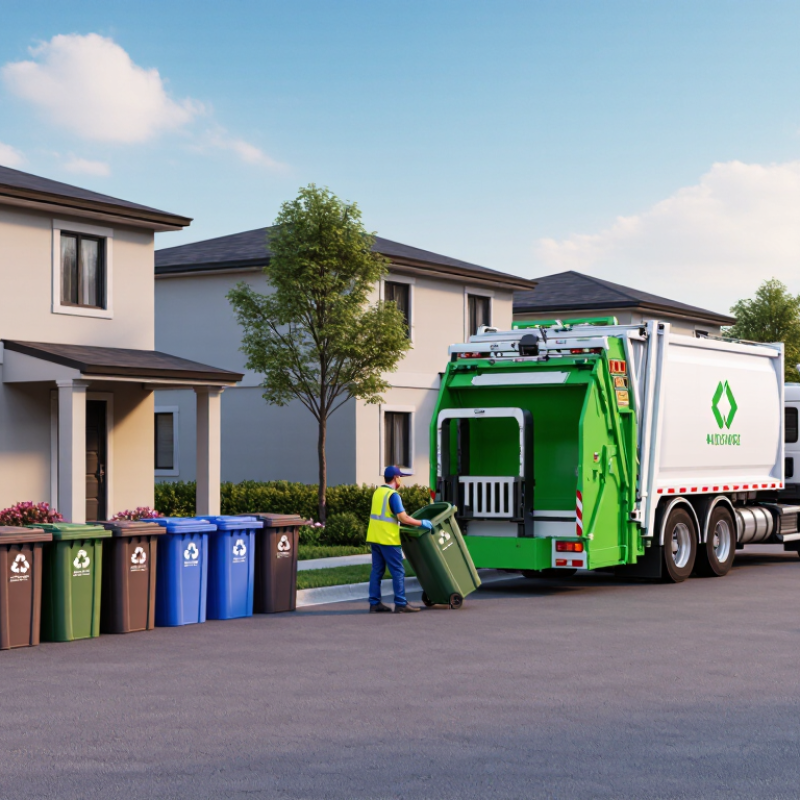
Residential garbage pickup services do more than remove full bins. They provide scheduled collection for household waste, recyclables, garden debris, and sometimes bulky items. Collection may happen weekly or several times each week. Residents usually receive bins with fitted lids, clear capacity limits, and placement instructions. In some regions, separate containers support paper, glass, food scraps, and general waste. Local conditions matter. Apartment buildings often use shared containers, while detached homes may receive curbside service.

Reliable providers also manage missed pickups, holiday changes, damaged bins, and temporary address updates. Many offer online calendars, text alerts, and payment records. Trained crews should handle lifting, vehicle safety, and spilled waste carefully. Service terms should explain accepted materials, weight limits, extra fees, and cancellation rules. These details build trust, although service quality can vary between neighborhoods. No system is perfect. Rain, road repairs, or overloaded routes can still cause delays.

Tips: Place the bin near the curb before collection time, with its handle facing your home. Keep lids closed to prevent pests and rainwater. Never mix restricted materials with ordinary household waste. Check the local collection guide before disposing of batteries, paint, or large furniture. Photographing a damaged bin can make a support request clearer. A simple reminder the night before helps. Yet households should review the schedule during public holidays, because printed calendars may become outdated.

How the Top 10 Global Services Were Selected

How the Top 10 Global Services Were Selected

Selecting the top 10 residential garbage pickup services required more than comparing collection prices. We reviewed route frequency, missed-pickup records, service coverage, sorting guidance, complaint response, and published performance data. The World Bank’s What a Waste 2.0 report estimates that cities generated 2.01 billion tonnes of municipal solid waste in 2016. By 2050, that figure could reach 3.40 billion tonnes. Reliable household collection is therefore a public-health measure, not merely a convenience.

Each service received scores across five areas: operational reliability, environmental performance, customer access, affordability, and transparency. We gave extra weight to regular pickup in dense neighborhoods, clear container instructions, and measurable diversion rates.

The 2024 Global Waste Management Outlook reports that municipal waste could rise from about 2.3 billion tonnes annually to nearly 3.8 billion tonnes by 2050. Services showing route flexibility, separate food-waste handling, and accessible digital reporting earned stronger evaluations. Small details mattered. A covered bin, a visible collection calendar, or a crew arriving before sunrise can shape household behavior.

The assessment was not perfect. Public data differed widely between regions, and some environmental figures relied on operator reporting. Rural service quality was also harder to compare with urban performance.

We checked regulatory filings, sustainability reports, municipal records, and independent waste-sector research where available. Still, rankings can hide local realities. A service may perform well nationally but struggle on one wet Tuesday in a remote district. That limitation remains important.
Regional Differences in Household Waste Collection

Top 10 Residential Garbage Pickup Services Worldwide

Regional Differences in Household Waste Collection

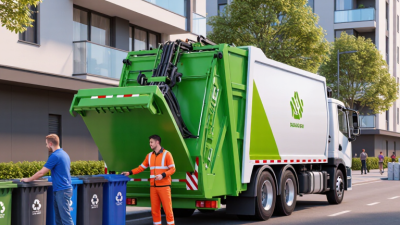
Household waste collection varies sharply by income, climate, and settlement design. The World Bank’s What a Waste 2.0 report estimated 2.01 billion tonnes of municipal solid waste in 2016. It projects 3.40 billion tonnes by 2050. High-income cities often provide scheduled curbside collection, separated recycling, and digital service updates. Lower-income regions may depend on shared containers, informal recovery workers, or irregular collection routes. Distance matters. Rural households can live several kilometres from the nearest disposal point.

The United Nations Environment Programme reported about 2.1 billion tonnes of municipal waste in 2023. Without stronger prevention and collection systems, this could reach 3.8 billion tonnes by 2050. Regional service quality also reflects housing density. Dense Asian and European cities may use narrow-vehicle routes and underground containers. North American suburbs often rely on wheeled bins and weekly pickup. In parts of Africa and Latin America, flooding, unpaved roads, and limited transfer stations interrupt service. These comparisons are useful, but not perfectly clean. National averages can hide major differences between city districts.

Tips: Check collection frequency, accepted materials, container size, and missed-pickup procedures before choosing a provider. Keep food waste sealed. Place bins where animals cannot reach them. Ask whether local rules require separate glass, organic, or hazardous household materials. The best service is not always the fastest; reliable sorting and transparent reporting matter more.

Comparing Coverage, Costs, and Recycling Options

Top 10 Residential Garbage Pickup Services Worldwide

Comparing coverage, costs, and recycling options requires more than checking a monthly price. The ten most useful service models include municipal curbside routes, rural collection, apartment programs, pay-as-you-throw plans, prepaid bag systems, private subscriptions, bulky-item pickup, food-waste services, shared neighborhood containers, and integrated recycling routes. Coverage differs sharply between dense cities and remote homes. A weekly truck may serve an urban street efficiently, while rural households often receive less frequent collection.

Costs usually reflect distance, bin size, pickup frequency, and local disposal fees. Municipal programs may appear cheaper because taxes support part of the service. Private plans often charge separately for extra bags, oversized furniture, or holiday changes. Ask for a written fee schedule. Hidden charges remain common. A practical household comparison should record the monthly rate, fuel surcharge, container deposit, and cancellation terms.

Recycling quality depends on local sorting rules, not attractive claims. Some routes collect paper, metal, glass, and approved plastics together. Others require separate bins or reject contaminated loads. Rinse containers, keep food waste out of dry recyclables, and check accepted-material lists before pickup day. Compost collection can reduce general waste, but it may cost extra and require sealed containers. Service reliability also matters: missed pickups, damaged bins, and unclear complaint procedures can outweigh a small price difference. My own comparison would weigh three months of performance, not one promotional invoice.

Factors to Consider When Choosing a Provider

Top 10 Residential Garbage Pickup Services Worldwide

Factors to Consider When Choosing a Provider

Waste volume should guide your decision, not advertising alone. The World Bank’s What a Waste 2.0 report estimated 2.01 billion tonnes of municipal waste annually. It projects 3.40 billion tonnes by 2050. Ask how often crews collect full containers, especially during holidays or extreme weather. A missed pickup quickly creates odors, pests, and neighborhood complaints. The cheapest quote can age badly.

Check accepted materials, container sizes, and contamination rules in writing. UNEP’s Global Waste Management Outlook 2024 estimates municipal waste could cost society over 640 billion dollars annually by 2050 without stronger systems. Providers should explain recycling routes, transfer stations, and final processing locations. A vague “eco-friendly” claim is not enough. Request recent diversion data and third-party audits. Numbers matter.

Reliability also depends on local experience. Look for clear service windows, accessible complaint channels, and documented response times. Ask whether vehicles use route tracking or backup equipment. EPA data reports that Americans generated about 292 million tons of municipal solid waste in 2018, showing the scale of daily collection needs. Smaller households still deserve dependable service. I would test support before signing: send one practical question and measure the response. That small test may reveal more than a polished contract. Pricing deserves equal scrutiny. Confirm fuel surcharges, extra-container fees, cancellation terms, and annual increases. Read the difficult parts.

Residential Garbage Pickup Services Worldwide: Key Selection Factors

Waste collection decisions should prioritize reliable coverage, safe treatment, recycling access, transparent pricing, flexible scheduling, and responsible environmental practices. Globally, about 2.01 billion tonnes of municipal solid waste were generated in 2016, while approximately one-third was not managed in an environmentally safe manner, according to the World Bank’s What a Waste 2.0 report.

Recycle

Request a Quote

Fill out the form below and one of our specialists will contact you to discuss your questions and needs.

Start your sustainable waste service today