What Are the Top Standard Portable Toilets in 2026?
Choosing a portable toilet in 2026 is less simple than comparing tank sizes. Standard Portable Toilets now vary in comfort, ventilation, waste capacity, and cleaning effort. A unit may look sturdy online but feel unstable on uneven ground. Small details matter, including lid alignment, seat height, carrying handles, and splash control. For family camping, a lightweight model may be ideal. Construction crews and outdoor events may need stronger frames and larger holding tanks. Older users may prefer higher seats and easier access. These practical differences can change the buying decision.
This guide examines leading models through clear, useful criteria. It considers verified specifications, user-focused design, odor management, portability, and maintenance requirements. It also looks at how each toilet performs during repeated use, not only during a first inspection. A well-designed unit should remain stable, seal securely, and clean without complicated tools. That sounds basic. It is not always guaranteed. Product claims can differ from real-world experience, especially in heat, cold, or crowded conditions. Availability and replacement parts may also change by region. For that reason, the rankings should support careful judgment rather than replace it. Readers should check current manufacturer information before purchasing. The best choice depends on location, users, frequency, and available cleaning facilities. No comparison is flawless. Still, these findings can make the search more focused, practical, and reliable for 2026.
What Defines a Standard Portable Toilet in 2026?
What Are the Top Standard Portable Toilets in 2026?
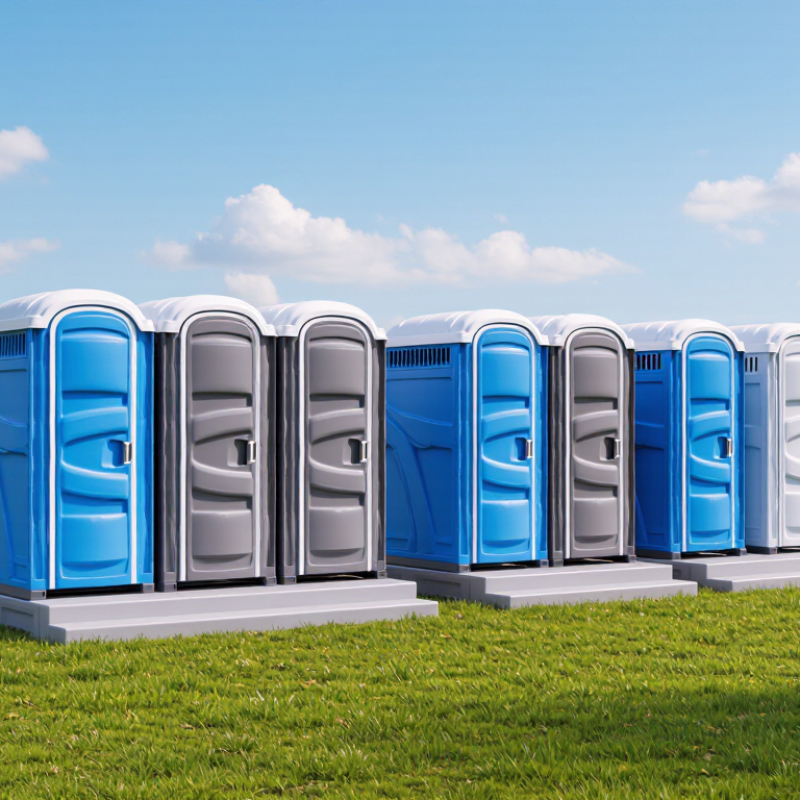
A standard portable toilet in 2026 is more than a plastic enclosure with a holding tank. It should provide privacy, stability, ventilation, and simple maintenance. A practical unit usually includes a sealed waste tank, a secure door latch, a non-slip floor, and interior lighting for evening use. Smooth interior surfaces also matter. They allow workers to clean stains and disinfect high-touch areas quickly.
Comfort and access now define quality more clearly. A well-designed toilet should offer enough knee and shoulder room for ordinary users. Accessible models need wider entrances, support rails, stable floors, and thoughtful turning space. Good ventilation reduces heat, odors, and condensation, although it cannot replace regular servicing. In my experience, poorly timed cleaning causes more complaints than basic design flaws. That lesson is easy to overlook.
Tips: Check the tank capacity before busy events. Ask how often the unit will be serviced. Place it on level ground, away from standing water. Keep hand-cleaning supplies nearby, with soap, water, or an approved sanitizer. Inspect the door, floor, and ventilation openings before use. Small details matter.
Some modern units add touch-free flushing or occupancy indicators. These features can improve hygiene, but they also create more parts to maintain. Technology is not always the better answer. A reliable standard toilet should work during heat, rain, and heavy daily use. It should also come with clear cleaning records and responsive service. I would still test the layout in person; product descriptions can make cramped spaces sound comfortable.
Which Features Matter Most in Modern Portable Toilets?
Modern portable toilets should be judged by hygiene, accessibility, ventilation, and service reliability. The fixture itself is only part of the experience. In practical site inspections, poor airflow and weak door hardware often create more complaints than limited interior space. A quiet vent system helps control heat, odor, and condensation. Smooth, non-porous surfaces also support faster cleaning between service visits.
Hand hygiene remains critical. The WHO and UNICEF Joint Monitoring Programme reported that 3.5 billion people lacked safely managed sanitation in 2022. This global figure highlights why portable units need visible hand-cleaning stations, sealed water containers, and touch-free soap dispensers. A 20-second handwash option matters. Waste tanks should also include level monitoring, leak-resistant seals, and enough capacity for expected traffic. Under OSHA 1926.51, construction sites must provide suitable toilet and washing facilities, making service planning a practical compliance issue.
Accessibility should not be treated as an optional upgrade. Wider entrances, stable floors, internal turning space, support rails, and clear approach routes improve use for people with limited mobility. EN 16194 provides useful guidance for mobile, non-sewer-connected toilet cabins, especially regarding cabin design and servicing. Yet standards do not solve every problem. Real sites have mud, uneven ground, poor lighting, and sudden crowds. My cautious view is that manufacturers and operators still underestimate maintenance visibility. A clean unit can become unpleasant quickly when inspection logs are vague. Reliable schedules, readable service records, and prompt fault reporting may matter as much as premium materials.
How Do the Top Portable Toilet Models Compare?
Standard portable toilets in 2026 differ more in usability than appearance. The basic single-stall unit remains the practical choice for short events and construction sites. A 2024 report from Grand View Research estimates continued growth in portable sanitation demand, driven by construction, outdoor events, and infrastructure projects. That growth makes small design differences more important.
A standard non-flush unit usually offers the lowest rental cost and simplest servicing. It works well where access is limited, but heat can intensify odors quickly.
A flushable model provides a more familiar experience, with a foot pump, small handwashing basin, and improved privacy. It needs more frequent water and waste servicing.
High-capacity units reduce service visits during crowded events, although their larger tanks add weight and transportation costs. They are not always better.
Accessibility-focused units provide wider doors, floor clearance, and turning space for mobility devices. The 2023 Census Bureau American Community Survey reported that about 13.9% of the U.S. population lives with a disability, reinforcing the need for inclusive site planning.
Placement still matters. Uneven ground can make a compliant unit difficult to use. In field inspections, I have seen excellent toilets fail because paths became muddy or poorly lit. That is an uncomfortable oversight. Temperature, user volume, ventilation, cleaning records, and emergency access should shape the final choice, not appearance alone. Industry guidance, including ANSI sanitation standards, supports documented servicing and stable placement.
How Can You Choose the Right Portable Toilet for Your Needs?
Choosing the right portable toilet starts with use, not appearance.
A standard unit suits short events, construction sites, and moderate foot traffic. For children, elderly guests, or users with limited mobility, choose an accessible model with a wider door and interior turning space. Add a handwashing station nearby. The CDC recommends washing hands with soap and water for at least 20 seconds, so sanitation access matters as much as toilet capacity.
Estimate users, event duration, and servicing frequency. The U.S. Occupational Safety and Health Administration requires construction sites to provide adequate toilet facilities, with ratios increasing as worker numbers grow. That makes daily servicing essential on busy sites. Grand View Research reports continued expansion in the portable toilet rental market, driven by construction activity and outdoor events. However, market growth does not guarantee good hygiene. Inspect ventilation, door locks, floor stability, odor control, and visible cleaning records before renting.
Think about placement, too. The unit should stand on firm, level ground, away from food preparation areas, but close enough for practical access. Standard units are usually economical, yet high-capacity tanks may reduce service visits. That can lower disruption, though not always cost. I would also question vague “all-day freshness” claims. Heat, wind, and heavy use change everything. A simple site trial may reveal problems that a specification sheet misses.